
Water Heater Comparisons
Every comparison here names a winner, then names the condition under which the answer flips.
The four comparisons that decide most purchases: tankless vs tank (tank wins most replacements), gas vs electric (gas wins on running cost, electric on install), heat pump vs electric tank (heat pump wins outright with a suitable space), and heat pump vs tankless (different problems entirely).
A comparison page that does not name a winner is wasting your time, and a comparison page that names a winner without naming the condition that flips it is lying to you. Every page in this section does both.
Type against type
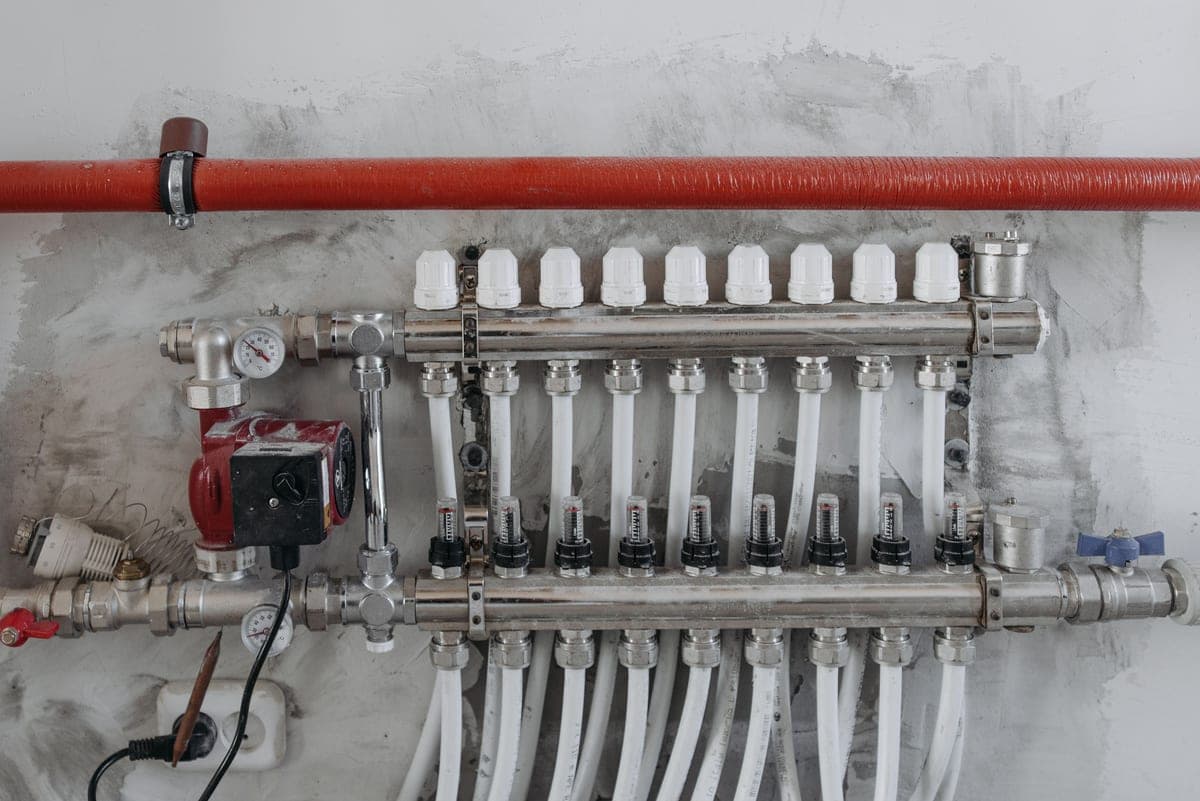
Comparison
Tankless vs tank water heaters
The tank wins most replacements. The condition that flips it is whether you are already doing work.
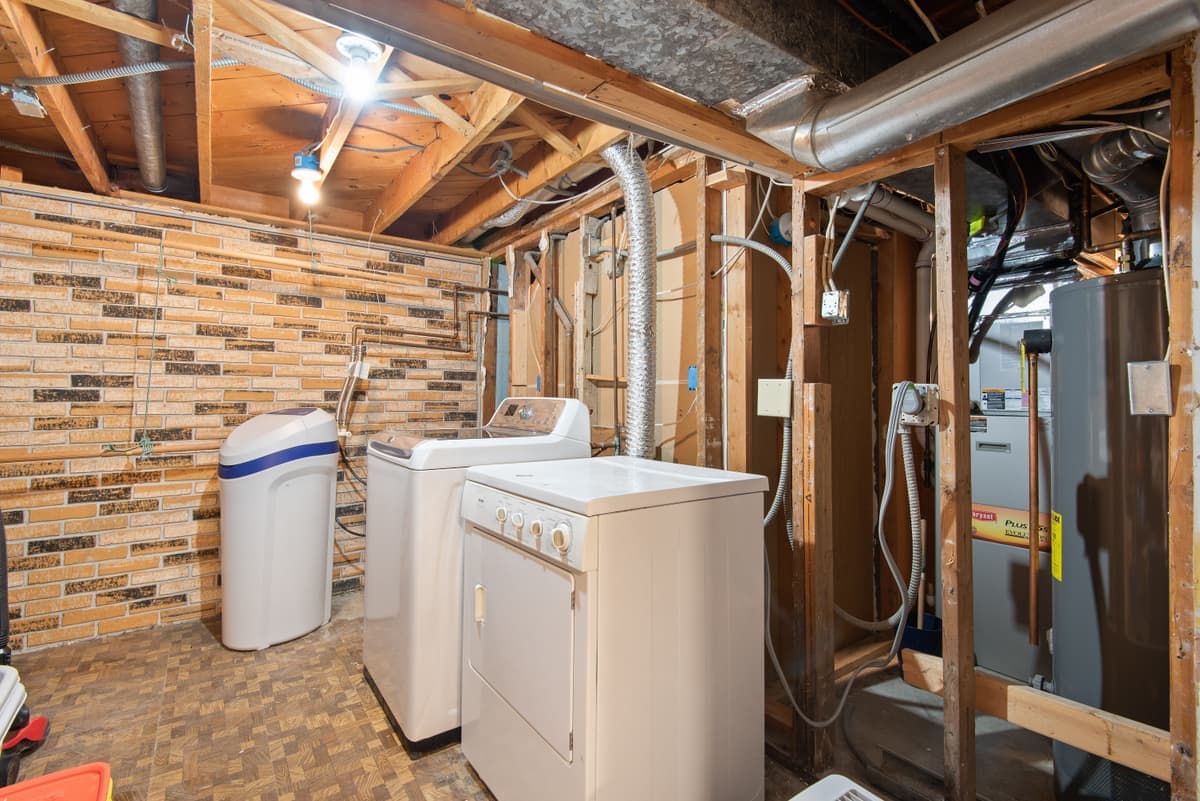
Comparison
Gas vs electric water heaters
Gas recovers two to three times faster. Electric installs for a fraction of the cost.
Comparison
Heat pump vs electric tank
A 3.88 UEF against 0.93. The only question is whether you have somewhere to put it.
Comparison
Heat pump vs tankless
These solve different problems. One cuts running cost, the other removes a limit.
Brand against brand
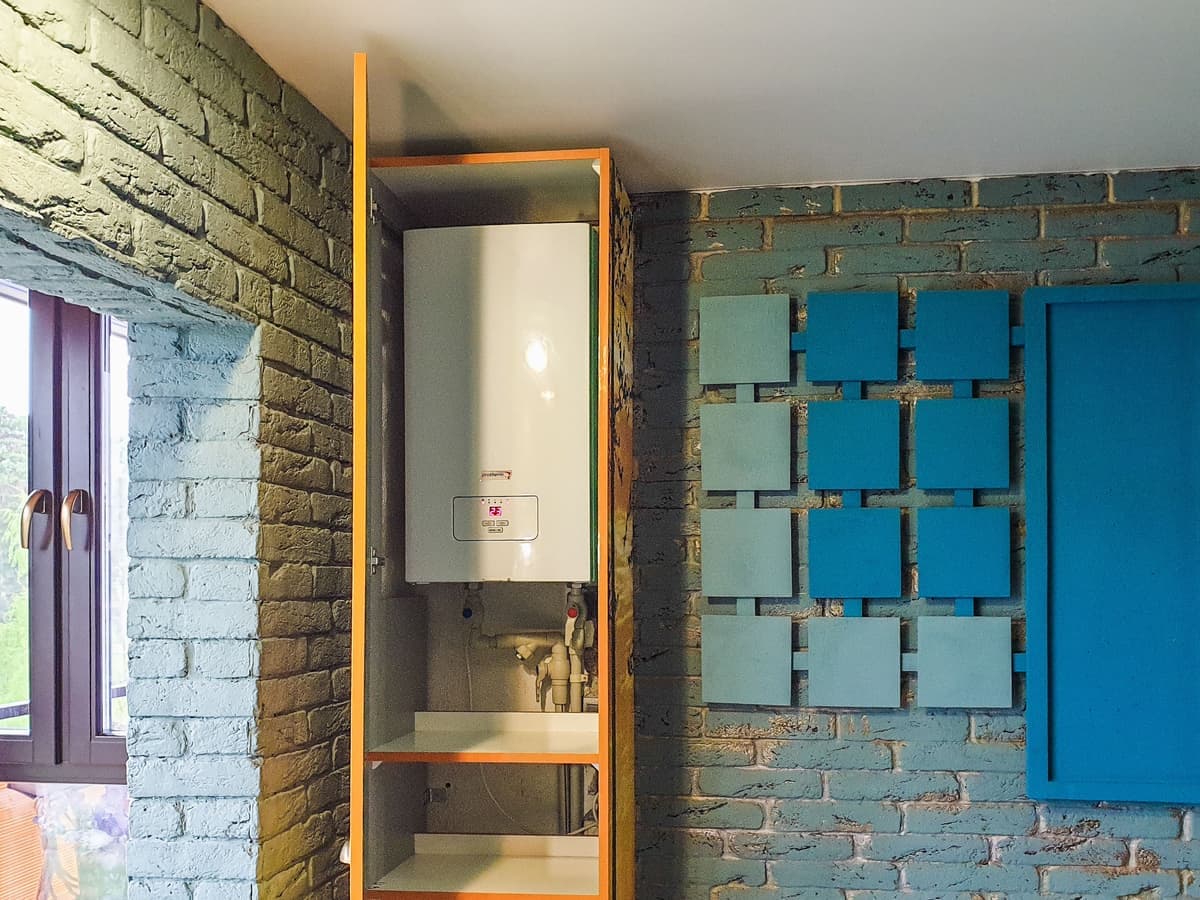
Head to head
A. O. Smith vs Rheem
The two companies that dominate American water heating, compared on published figures.
No live price feed on this site, so we show none. #ad

Head to head
Navien vs Rinnai tankless
A buffer tank against a 15-year warranty and return-line-free recirculation.
No live price feed on this site, so we show none. #ad
Head to head
Bradford White vs Rheem
Wholesale-only engineering against retail availability and leak protection.
No live price feed on this site, so we show none. #ad
The four decisions, in one table
| Comparison | Usually wins | Flips when |
|---|---|---|
| Tankless vs tank | Tank | You are already doing construction, or the gas line is already adequate |
| Gas vs electric | Gas, on running cost and recovery | There is no gas line, or you can fit a heat pump instead |
| Heat pump vs electric tank | Heat pump, decisively | No air volume, no condensate drain, or noise where it is heard |
| Heat pump vs tankless | Depends on the problem | Running cost favors the heat pump; running out of hot water favors tankless |
How we do comparisons
Four rules, which we apply on every page in this section:
- The verdict goes in the first hundred words. If you only read the top of the page you should still have an answer.
- Both sides get a win column. A comparison where one option has no advantages is not a comparison, it is advocacy.
- The spec table uses published figures with their sources named. Never an estimate presented as a measurement.
- The page ends with "pick X if... pick Y if...", because that is how the decision is actually made.
What we do not do is produce a cost-of-ownership figure. Published install cost ranges for overlapping scopes of work differ by thousands of dollars, and averaging them would create a confident-looking number nobody published. We present the ranges and name who published each end. How we pick.
What goes in with it
A water heater is a system, not a box. These are the parts that go in with it, and the ones people discover they need halfway through the job.
- Expansion tank
Required by code on a closed system, which is most homes with a pressure-reducing valve.
- Drain pan
Cheap insurance anywhere the tank sits above something you care about.
- Anode rod
The part that decides when the tank leaks. Replacing it is the highest-value hour of maintenance there is.