Best Whole-House Tankless Water Heaters
The phrase does a lot of work. Here is what it means at your inlet temperature.
Heat & Tap earns a commission on qualifying purchases made through the Amazon links on this page, at no extra cost to you. Commission does not decide what we recommend or how we rank it. Full disclosure.
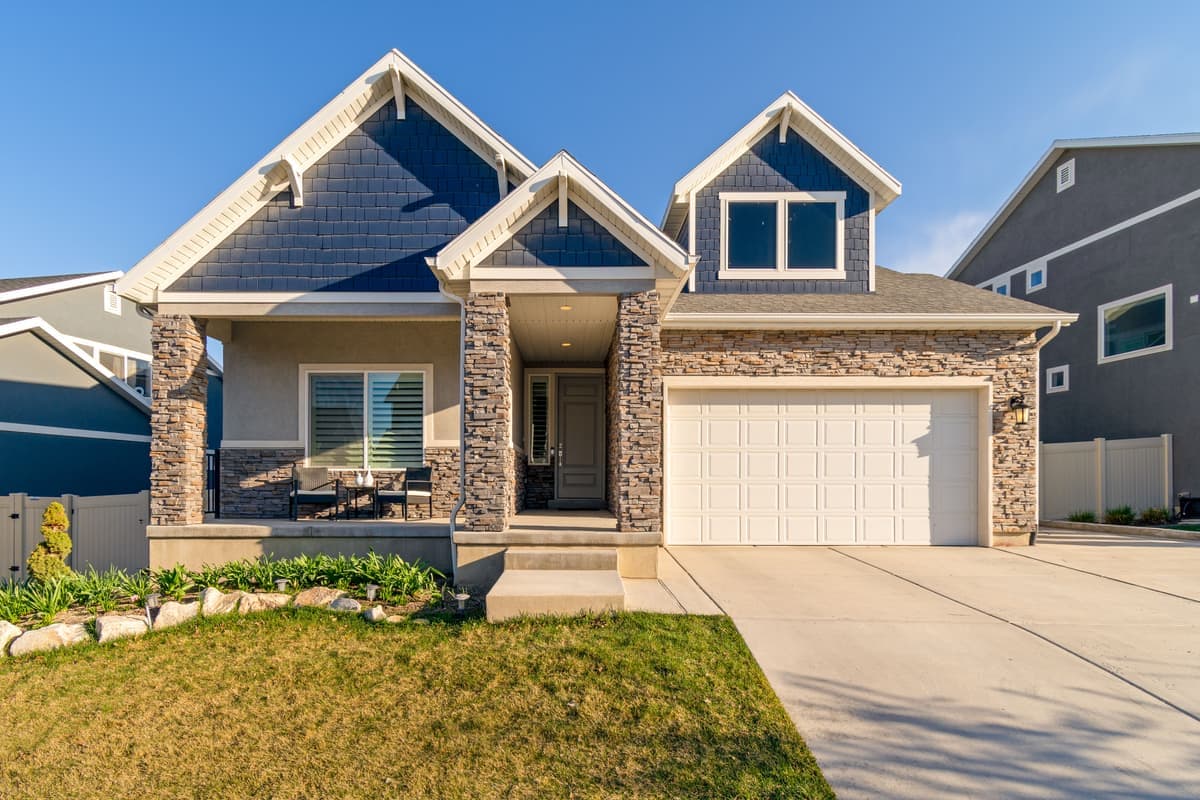
"Whole house" means covering your simultaneous demand at your winter temperature rise. In most of the country that is a 199,000 BTU gas unit delivering around 5.5 GPM at a 70°F rise. A 24 kW electric unit is whole-house only in a warm-inlet climate, where a 50 to 55°F rise is enough.
Almost every tankless unit over about 18 kW or 150,000 BTU is marketed as whole-house. The label means nothing on its own, because the same unit is a whole-house heater in Orlando and a single-shower heater in Minneapolis. The only useful test is arithmetic.
The test, in one table
| Climate | Winter rise needed | Whole-house means | Example |
|---|---|---|---|
| South Florida, south Texas | 48 to 52°F | 3.0+ GPM at a 50°F rise | 24 kW electric, or any 150k BTU gas unit |
| Gulf coast, southern California | 52 to 60°F | 4.0+ GPM at a 60°F rise | 180k to 199k BTU gas; electric is marginal |
| Mid-Atlantic, Carolinas | 62 to 70°F | 4.6+ GPM at a 70°F rise | 199k BTU gas |
| Pacific Northwest, Ohio valley | 68 to 75°F | 4.6+ GPM at a 75°F rise | 199k BTU gas |
| Upper Midwest, New England | 75 to 82°F | 4.6+ GPM at an 80°F rise | 199k BTU gas, and check the unit's curve |
Notice what happens as you go down the table: the GPM requirement barely moves, because showers use the same water everywhere, and the unit class changes completely. That is the whole content of this page.
Quick picks
Tap any row to read the full assessment below, or go straight to Amazon from the right-hand column. We earn a commission on qualifying purchases at no extra cost to you.
| # | Product | Best for | Price |
|---|---|---|---|
| 1 | Rinnai SENSEI RX199iNThe efficiency pick, and the one to buy if the unit has to hang outside: 0.98 UEF, 11.1 GPM at full fire, and it runs on either natural gas or propane indoors or out. | Highest published efficiency | Check price on Amazon No live price feed on this site, so we show none. #ad |
| 2 | 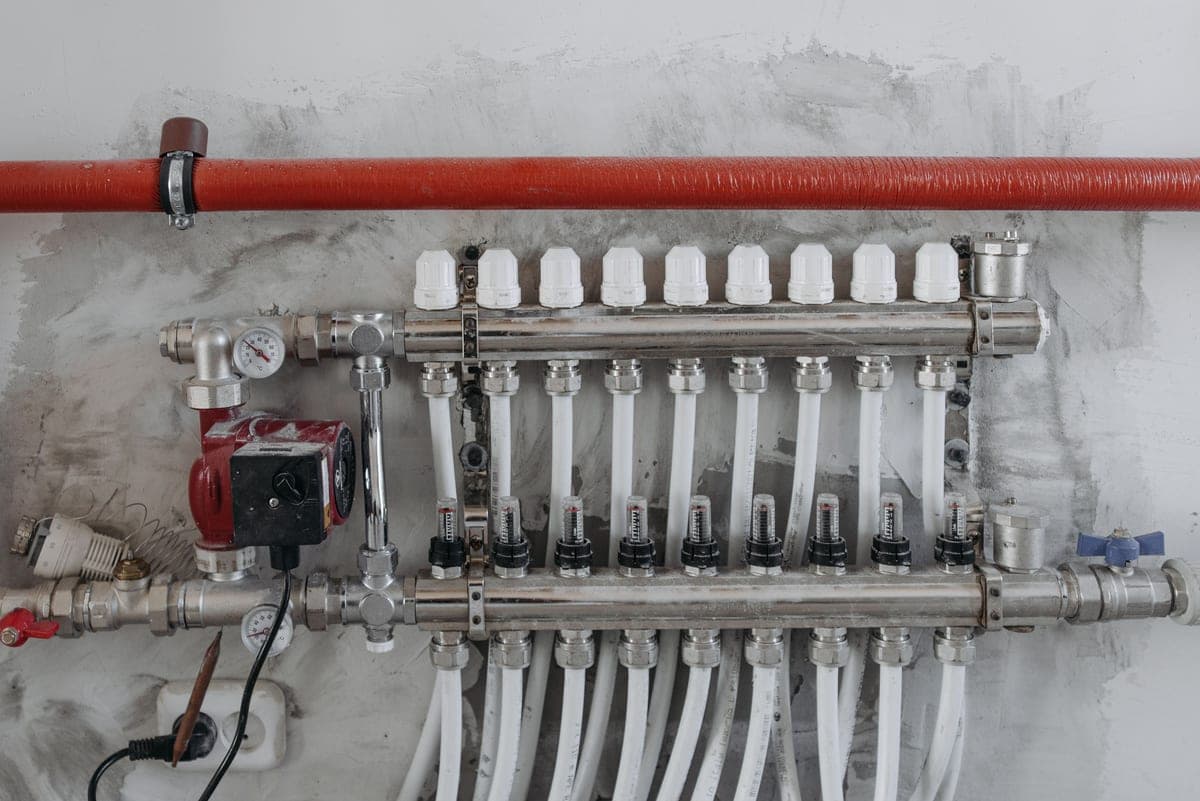 Rheem Prestige RTGH-95DVLNThe condensing gas tankless most houses should start with: 5.5 GPM at a 70°F rise covers two showers in a cold-inlet climate, and the 12-year residential heat exchanger warranty is the longest on this list. | Most whole-house gas jobs | Check price on Amazon No live price feed on this site, so we show none. #ad |
| 3 | 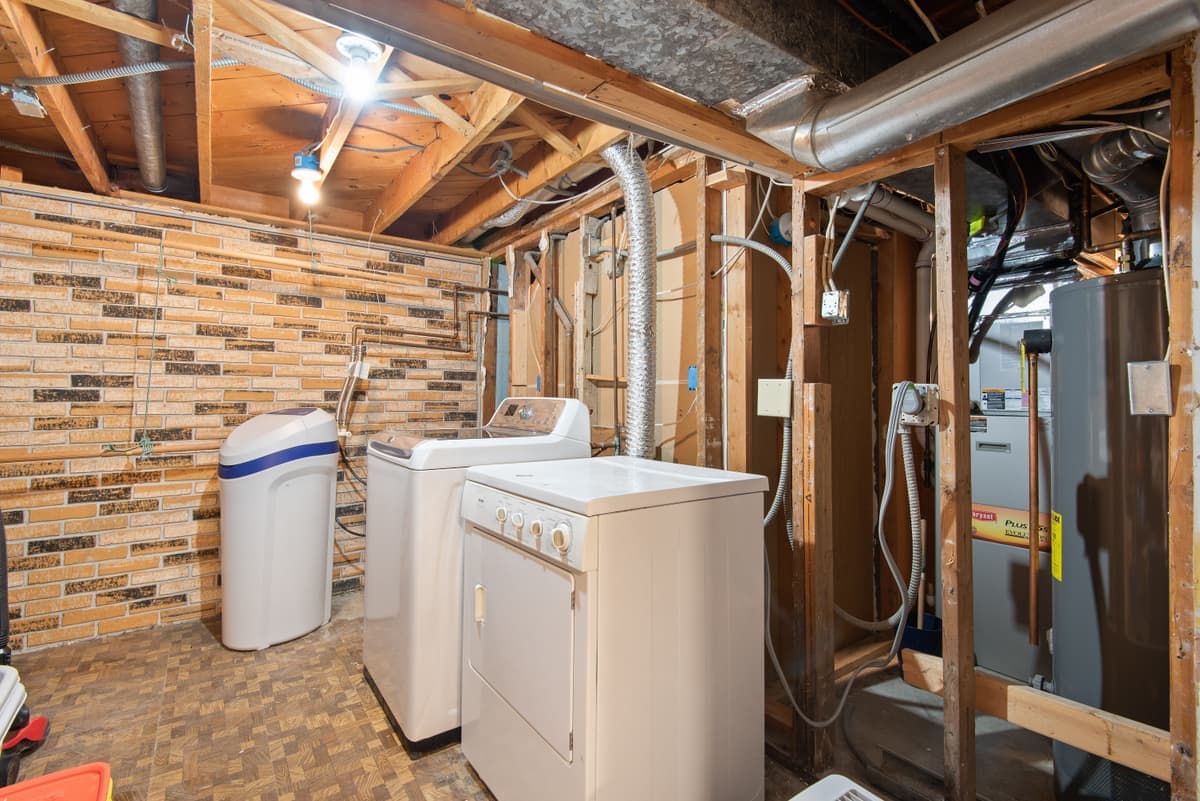 Navien NPE-240A2The high-flow pick: 11.2 GPM and a built-in buffer tank plus recirculation pump, which is what stops the cold-water sandwich on short, repeated draws. | Big draws and long pipe runs | Check price on Amazon No live price feed on this site, so we show none. #ad |
| 4 |  Stiebel Eltron Tempra 24 PlusThe electric tankless to buy if you are going to buy one at all: it publishes its full rise-versus-flow curve, and the Advanced Flow Control throttles flow instead of letting the temperature sag. | Whole-house electric, warm inlet | Check price on Amazon No live price feed on this site, so we show none. #ad |
The picks in full
Pick 1 — Highest published efficiency
Rinnai SENSEI RX199iN
The efficiency pick, and the one to buy if the unit has to hang outside: 0.98 UEF, 11.1 GPM at full fire, and it runs on either natural gas or propane indoors or out.
| Fuel | Natural gas or propane |
|---|---|
| Gas input | 199,000 BTU/h |
| Maximum flow | 11.1 GPM |
| Efficiency | 0.98 UEF |
| Installation | Indoor or outdoor |
| Warranty | 15-year heat exchanger (per retailer listings) |
What is good
- 0.98 UEF is the highest published figure of any unit on this page
- One model covers natural gas and propane, which matters if you may convert later
- Outdoor installation removes the venting cost entirely in mild climates
- 11.1 GPM headroom means it throttles rather than straining in a three-fixture draw
What is not
- Outdoor installation needs freeze protection and a power supply at the wall
- Still a nearly-200,000 BTU/h gas load
- No integrated recirculation pump in this model
Skip it if: Skip the outdoor install if your winter design temperature goes well below freezing for days at a time. Outdoor tankless units rely on an internal freeze protection heater and mains power — a multi-day outage in a hard freeze is how they split.
No live price feed on this site, so we show none. #ad
Specifications above from Rinnai RX199iN product page. We have not tested this unit ourselves.
Pick 2 — Most whole-house gas jobs
Rheem Prestige RTGH-95DVLN
The condensing gas tankless most houses should start with: 5.5 GPM at a 70°F rise covers two showers in a cold-inlet climate, and the 12-year residential heat exchanger warranty is the longest on this list.
| Fuel | Natural gas (LP variant sold separately) |
|---|---|
| Gas input | Up to 199,900 BTU/h |
| Flow at a 70°F rise | 5.5 GPM |
| Maximum flow | 9.5 GPM at a 35°F rise |
| Efficiency | Up to 0.93 UEF, stainless condensing heat exchanger |
| Minimum activation flow | 0.4 GPM |
| Venting | Up to 150 ft of 3-inch PVC; 60 ft of 2-inch PVC |
| Dimensions | 18-1/2 in W x 9-3/4 in D x 27-1/2 in H |
| Warranty | 12-year heat exchanger (residential), 5-year parts, 1-year labor |
What is good
- The 70°F-rise figure is published, so you can size it honestly instead of guessing from the headline number
- Condensing design vents in PVC, which is far cheaper to run than stainless category III pipe
- 0.4 GPM activation means a trickle at a bathroom faucet still fires the burner
- Long PVC vent runs let you put it where the gas line already is
What is not
- Needs a gas line sized for nearly 200,000 BTU/h — many existing 1/2-inch runs are not
- Condensate has to go somewhere, which means a drain or a condensate pump
- Annual descaling is not optional on hard water
Skip it if: Skip it if your gas meter and line cannot carry 199,900 BTU/h. Upsizing the gas line is often the single largest cost in a tankless conversion, and no amount of unit quality fixes a starved burner.
No live price feed on this site, so we show none. #ad
Specifications above from Rheem RTGH series specification sheet (PDF); Pace Supply listing, RTGH-95DVLN, 199 kBtu/hr. We have not tested this unit ourselves.
Pick 3 — Big draws and long pipe runs
Navien NPE-240A2
The high-flow pick: 11.2 GPM and a built-in buffer tank plus recirculation pump, which is what stops the cold-water sandwich on short, repeated draws.
| Fuel | Natural gas or propane |
|---|---|
| Heat input range | 13,300 - 199,900 BTU/h |
| Maximum flow | 11.2 GPM |
| Efficiency | 0.95 UEF |
| Recirculation | ComfortFlow built-in buffer tank and recirculation pump |
| Heat exchanger | Dual stainless steel |
| Venting | 2-inch PVC |
| Gas connection | 1/2 inch |
What is good
- The buffer tank is the real feature — it smooths the short draws that make other tankless units run cold for a second
- NaviCirc lets it recirculate through existing supply lines with no separate return
- 13,300 BTU/h minimum fire means it modulates very low for a single faucet
- 2-inch PVC venting and a 1/2-inch gas connection make retrofits easier than the headline BTU suggests
What is not
- More internal parts than a plain condensing unit: a pump and a buffer tank are two more things to service
- Warranty terms are not published on the quick-facts sheet — check the current warranty document before you buy
- Condensate drain required
Skip it if: Skip it if you are replacing a single-bathroom apartment's heater. The buffer tank and pump are solving a problem a small home does not have, and you would be paying for both.
No live price feed on this site, so we show none. #ad
Specifications above from Navien NPE-2 series quick facts (PDF); Navien NPE-A2 series technical data. We have not tested this unit ourselves.
Pick 4 — Whole-house electric, warm inlet
Stiebel Eltron Tempra 24 Plus
The electric tankless to buy if you are going to buy one at all: it publishes its full rise-versus-flow curve, and the Advanced Flow Control throttles flow instead of letting the temperature sag.
| Output at 240 V | 24 kW |
|---|---|
| Output at 208 V | 18 kW |
| Breakers | 2 x 50 A double-pole |
| Wire | 2 x 6 AWG copper |
| Current draw | 100 A |
| Minimum electrical service | 150 A |
| Rise at 240 V | 54°F at 3.0 GPM; 73°F at 2.25 GPM; 37°F at 4.5 GPM |
| Rise at 208 V | 41°F at 3.0 GPM; 54°F at 2.25 GPM; 27°F at 4.5 GPM |
| Maximum flow | 8 GPM |
What is good
- Publishes rise at four flow rates on both voltages, which is the only honest way to size an electric tankless
- Advanced Flow Control cuts flow to hold the set temperature rather than delivering lukewarm water
- No venting, no gas line, no condensate
- Small enough to go in the cabinet it replaced
What is not
- 100 A of draw and a 150 A minimum service rules out a lot of older houses
- At 208 V it loses a quarter of its output, and plenty of homes are nearer 208 than 240
- Running cost follows the electric rate, which is usually worse than gas per BTU
Skip it if: Skip it if your inlet water drops to 45°F in winter and you want two showers at once. At a 73°F rise it delivers 2.25 GPM — one shower, nothing else. Cold-inlet climates are where electric tankless disappoints people.
No live price feed on this site, so we show none. #ad
Specifications above from Stiebel Eltron Tempra Plus technical specifications (PDF); Stiebel Eltron Tempra Plus submittal sheet (PDF). We have not tested this unit ourselves.
Two showers is the real benchmark
Households say "whole house" and mean "two showers at once without anyone noticing". That is about 3.6 GPM for the showers plus 1.0 for a sink, so 4.6 GPM. Three showers at once — rare outside large households with three bathrooms — is 5.4 GPM, and at a northern rise that is at the edge of what a single 199,000 BTU unit does.
Past that point the honest answer is either two units in parallel, which several manufacturers support with a common controller, or a storage tank. A single residential tankless unit has a ceiling and pretending otherwise is how people end up disappointed. Family of 6 sizing covers the large-household strategies.
Recirculation matters more on a whole-house install
The bigger the house, the longer the pipe runs, and the longer you stand at the far bathroom waiting. On a whole-house tankless retrofit this is the complaint that arrives in week two. Two routes:
- A unit with recirculation built in. The Navien NPE-240A2 has a buffer tank and pump in the cabinet; the Rinnai RSC199iN recirculates through the cold line with no dedicated return, which can save a re-pipe.
- A separate pump. A comfort pump at the far fixture with a timer, like the Grundfos UP15-10SU7P at 25 watts. Recirculation pumps.
What goes in with it
A water heater is a system, not a box. These are the parts that go in with it, and the ones people discover they need halfway through the job.
- Flush kit
The annual descale is not optional on a tankless unit, and you need a pump, hoses and a bucket.
- Descaler solution
What actually dissolves the scale once the kit is hooked up.
- Recirculation pump
Fixes the cold-water delay that makes new tankless owners call a plumber.
What to check before you commit
- Measure your winter inlet temperature. Two minutes with a thermometer in January beats any chart.
- Count your genuinely simultaneous fixtures. Be honest; most houses are two showers and a sink.
- Have the gas supply sized for the unit's full input by a licensed professional.
- Plan the vent route and price it. Condensing units vent in PVC, which is far cheaper on a long run.
- Find the condensate drain. If there is not one nearby, budget for a condensate pump.
- Specify isolation valves so the annual descale is possible at all.
How we chose
Rise-qualified output first, then efficiency, then whether recirculation is integrated, then install burden. We have not tested these units; our method sets out what we did instead.