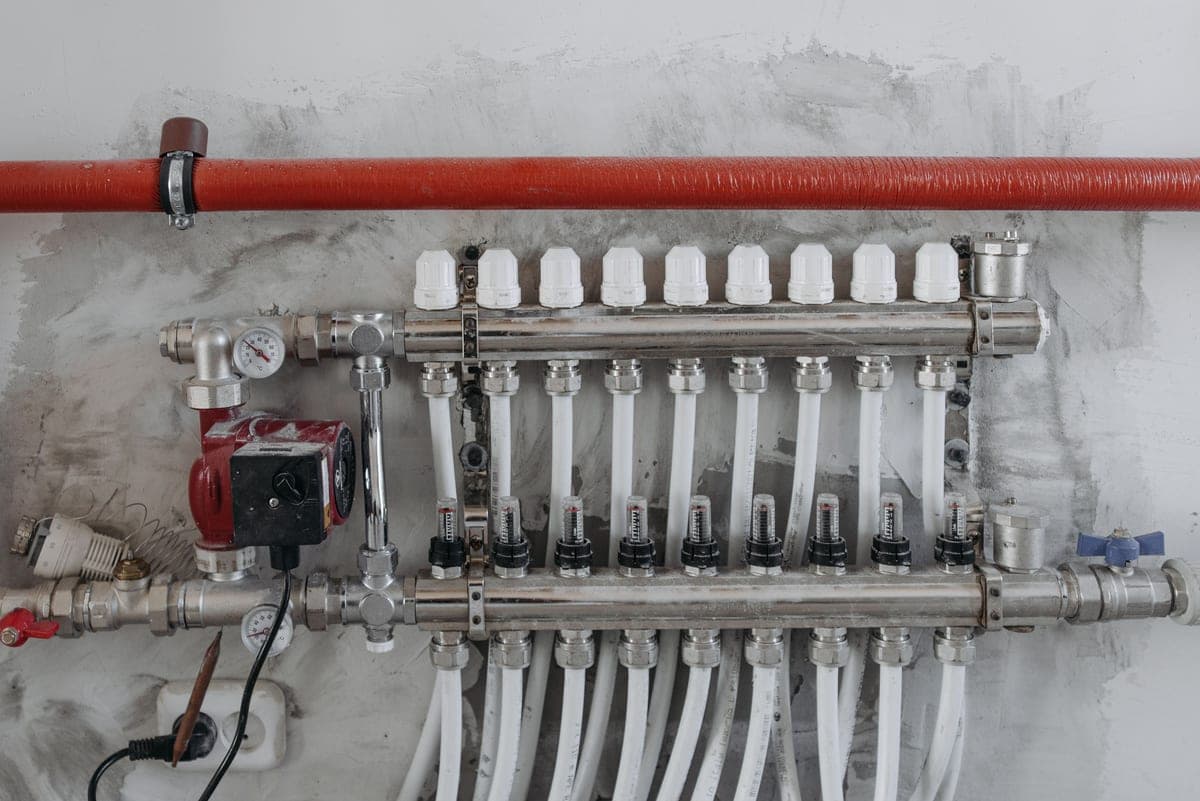
Tankless Water Heaters
Endless hot water, provided the gas line or the electrical service can actually feed it. That caveat is the whole story.
A tankless water heater heats water as it flows, so it never runs out and has no standby loss. The constraint is supply: a whole-house gas unit needs up to 199,900 BTU/h of gas, and a whole-house electric unit can draw 100 A or more. Size it by GPM at your temperature rise, never by the headline GPM.
Tankless is the most oversold and most misunderstood category in water heating. The pitch is true: you genuinely do not run out of hot water, the unit genuinely lasts longer than a tank, and it genuinely takes up no floor space. What the pitch leaves out is that the appliance is the easy part. The gas line, the venting, the condensate drain and, for electric, the service panel are where the project actually lives.
So this hub is organized around the decision in the order it gets made: can my house feed one, how big does it need to be, gas or electric, and what does it need alongside it.
Can your house feed one?
Before anything else, two checks. They take ten minutes and they decide the project.
- For gas: look at the gas meter and the pipe feeding your current water heater. A whole-house tankless unit wants up to 199,900 BTU/h. A 1/2-inch branch that was adequate for a 40,000 BTU tank is almost certainly not adequate for five times that. Upsizing the line, and sometimes the meter, is frequently the largest single cost in the conversion.
- For electric: read the main breaker. The Stiebel Eltron Tempra 24 Plus specifies a minimum 150 A service and draws 100 A; the EcoSmart ECO 27 draws 113 A across three 40 A breakers; Rheem states a 200 A service requirement for the RTEX-24. If your panel is 100 A or 125 A, whole-house electric tankless is a service upgrade first.
Start with the roundups

Best overall
Best tankless water heaters
The whole category, ranked, with published GPM at a 70°F rise rather than headline figures.
No live price feed on this site, so we show none. #ad
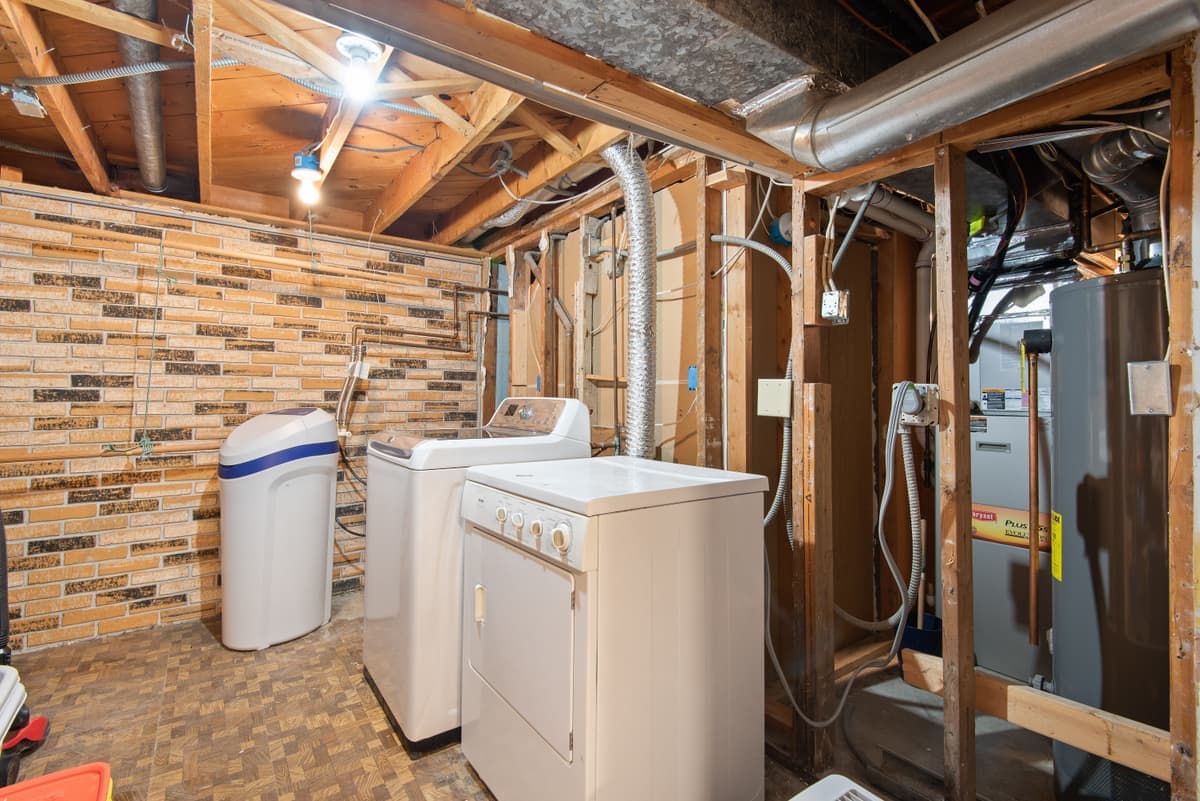
Best gas
Best gas tankless water heaters
199,000 BTU class units, condensing and otherwise, and what the gas line has to carry.
No live price feed on this site, so we show none. #ad
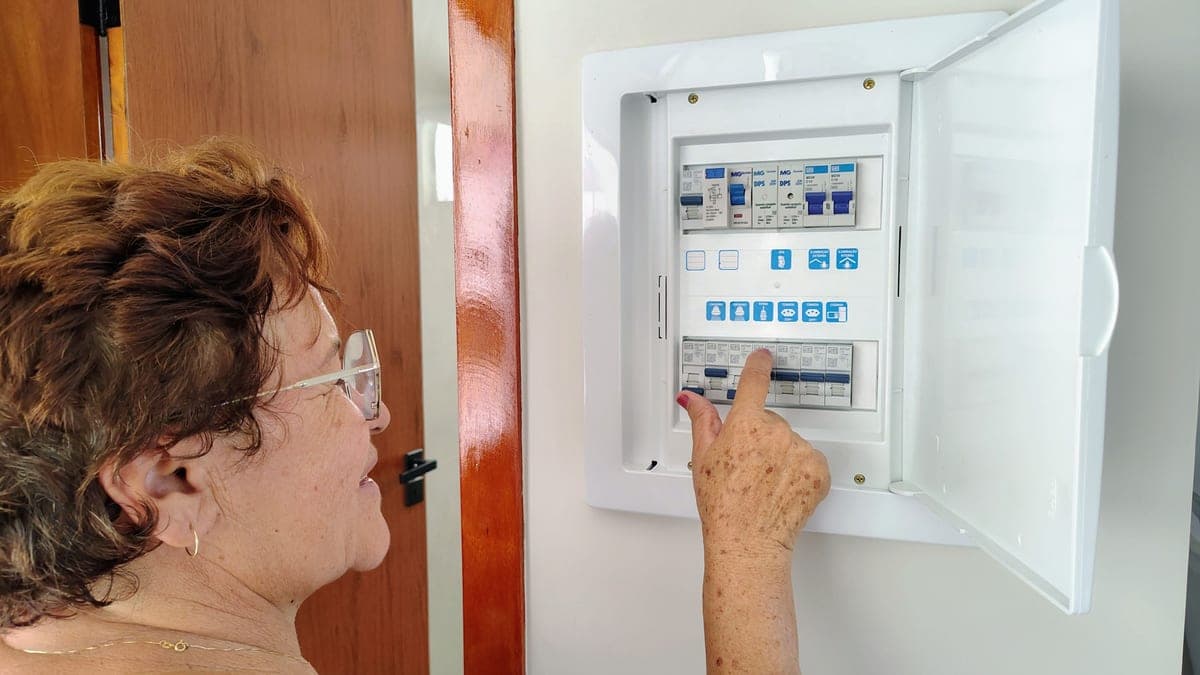
Best electric
Best electric tankless water heaters
Published rise-versus-flow data, real breaker requirements, and who should not buy one.
No live price feed on this site, so we show none. #ad

Whole house
Best whole-house tankless water heaters
What "whole house" actually requires at your inlet temperature, and the units that deliver it.
No live price feed on this site, so we show none. #ad
Two bathrooms
Best tankless water heater for 2 bathrooms
Two simultaneous showers is about 4.6 GPM. Here is what covers it, by climate.
No live price feed on this site, so we show none. #ad
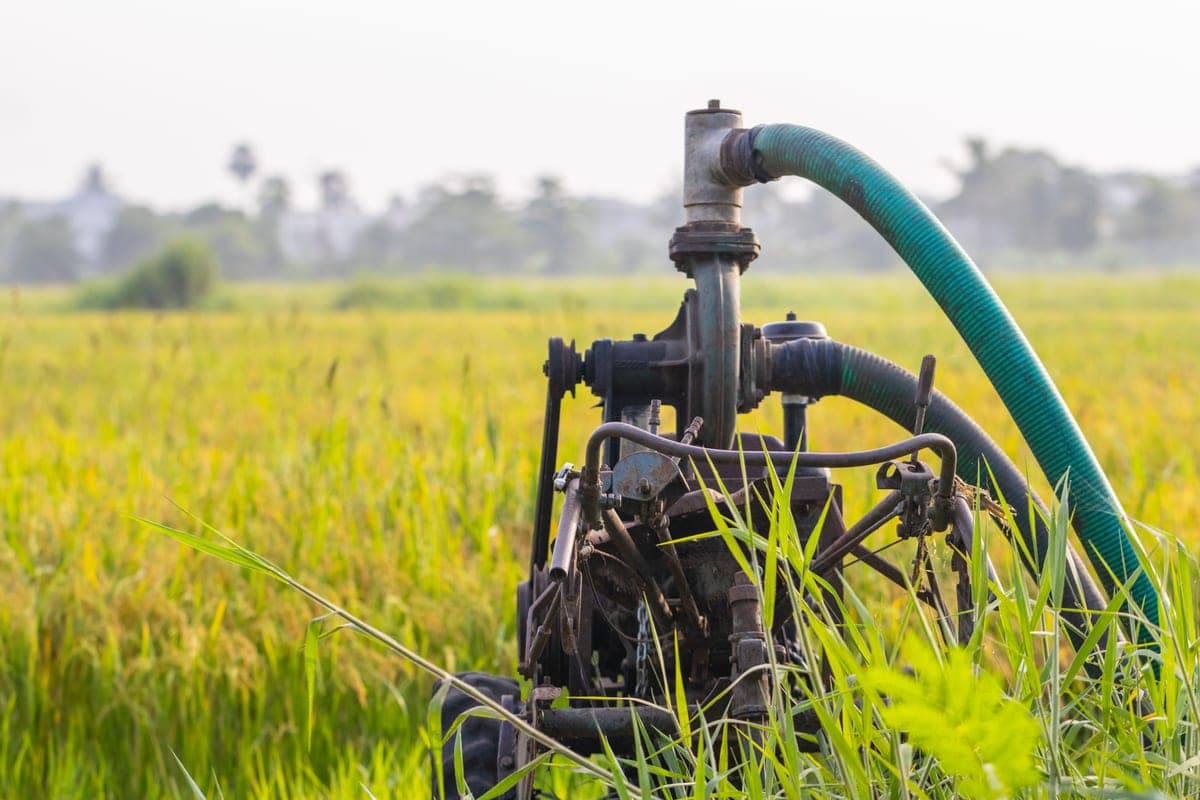
Recirculation
Best tankless water heaters with a recirculating pump
The fix for the cold-water delay that makes new tankless owners call a plumber.
No live price feed on this site, so we show none. #ad
The decisions inside the category
Comparison
Condensing vs non-condensing tankless
A PVC vent run against a stainless one. This decision usually costs or saves more than the unit choice.
Guide
Best tankless water heater for hard water
Scale is what kills tankless units. What to buy, and what to do annually.
No live price feed on this site, so we show none. #ad
Sizing
Tankless sizing chart
GPM by fixture count and temperature rise, with real published rise-versus-flow tables.
Gas or electric
| Gas | Electric | |
|---|---|---|
| Whole-house capability | Yes, in any climate | Yes in warm-inlet climates; marginal in cold ones |
| Typical output | 5.5 GPM at a 70°F rise (199,900 BTU unit) | 3.0 GPM at a 54°F rise (24 kW unit at 240 V) |
| Supply requirement | Gas line sized for up to 199,900 BTU/h | 100 A+ of draw, 150 to 200 A service |
| Venting | Required. PVC if condensing, stainless if not | None |
| Condensate | Yes on condensing units | None |
| Install complexity | High | Medium, unless the panel needs upgrading |
| Running cost per gallon | Usually lower | Follows the electric rate |
| Annual maintenance | Descale | Descale |
The short version: in a cold-inlet climate, whole-house tankless means gas. Electric tankless is excellent as a point-of-use or single-bathroom unit, and in the southern half of the country it can serve a small whole house. Gas vs electric works through the cost of ownership.
What tankless owners actually complain about
Reading owner reviews at volume, three complaints repeat, and all three are solvable at install time:
- The wait for hot water got longer. A tankless unit does not start heating until flow begins, so the delay at a distant fixture is the pipe volume plus the ignition delay. The fix is a recirculation system — either a unit with one built in, or a separate pump.
- The cold-water sandwich. Stop and restart a draw quickly and you get a slug of cool water. A unit with a small buffer tank, like the Navien NPE-240A2, is specifically designed around this.
- It went lukewarm in winter. Almost always a sizing error: the unit was sized from a headline GPM measured at a low temperature rise. The sizing chart prevents this.
Maintenance is not optional
A storage tank tolerates neglect for a decade. A tankless unit does not. Scale builds on the heat exchanger, flow drops, the unit works harder, and eventually it faults. The manufacturer-recommended interval for residential descaling is about once a year, more often on hard water.
Practically, that means two things you should buy at install time: isolation valves on the hot and cold connections (without them there is nothing to hook a flush hose to), and a flush kit. If your water is hard, read tankless for hard water before you choose the unit.
What goes in with it
A water heater is a system, not a box. These are the parts that go in with it, and the ones people discover they need halfway through the job.
- Flush kit
The annual descale is not optional on a tankless unit, and you need a pump, hoses and a bucket.
- Descaler solution
What actually dissolves the scale once the kit is hooked up.
- Recirculation pump
Fixes the cold-water delay that makes new tankless owners call a plumber.