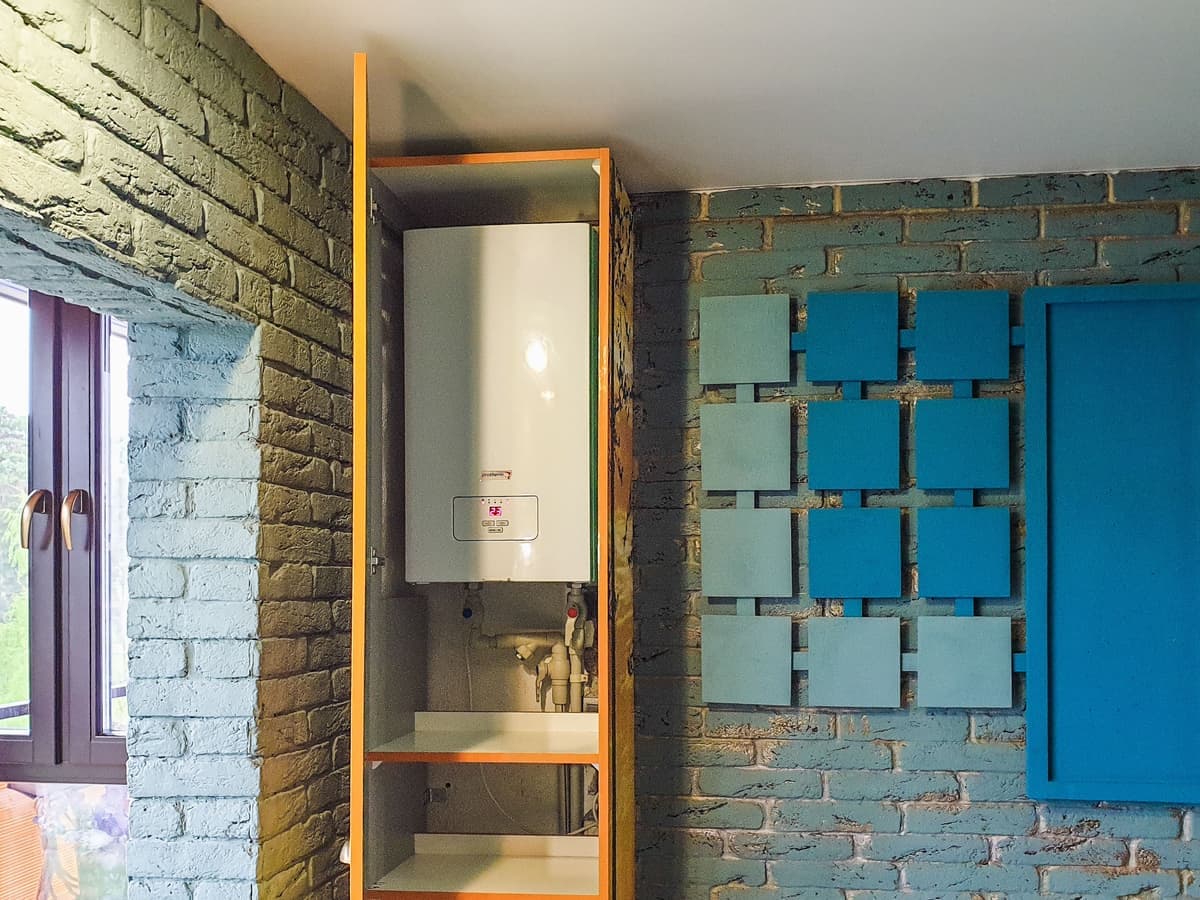
Tank Water Heaters
The storage tank still wins most replacements, and the reasons are better than habit.
A storage tank water heater is the right choice for most replacements: it is a like-for-like swap, it needs no new gas line or electrical service, and on gas the first-hour ratings are excellent — a 50-gallon unit with a 50,000 BTU burner delivers 91 gallons in the first hour. Size by first-hour rating, not gallons.
Tankless gets the marketing and heat pumps get the incentives, but the storage tank is still the correct answer in the majority of American replacements, and not out of inertia. It is cheap to buy, simple to service, and crucially it is a half-day job rather than a project: the same gas line, the same flue, the same circuit, the same footprint.
When your old unit is leaking on a Saturday, that matters more than a UEF comparison.
The two things that decide a tank
Fuel and first-hour rating. Everything else — brand, warranty length, control board features — is secondary to getting those two right.
| Fuel | 50 gal first-hour rating | Recovery | Who it suits |
|---|---|---|---|
| Natural gas, 50,000 BTU | 91 gal | 40 to 50 gal/hr | 4 to 5 people |
| Natural gas, 40,000 BTU | 77 gal | About 36 gal/hr | 4 people |
| Electric heat pump | 67 gal | 27 gal/hr (Rheem ProTerra) | 4 people, at a quarter of the running cost |
| Electric resistance | 63 gal | 21 gal/hr at a 90°F rise | 3 to 4 people |
That table is the single most useful thing on this page. Same volume, four different appliances. Never compare tanks by gallons across fuels. First-hour rating explained.
By fuel
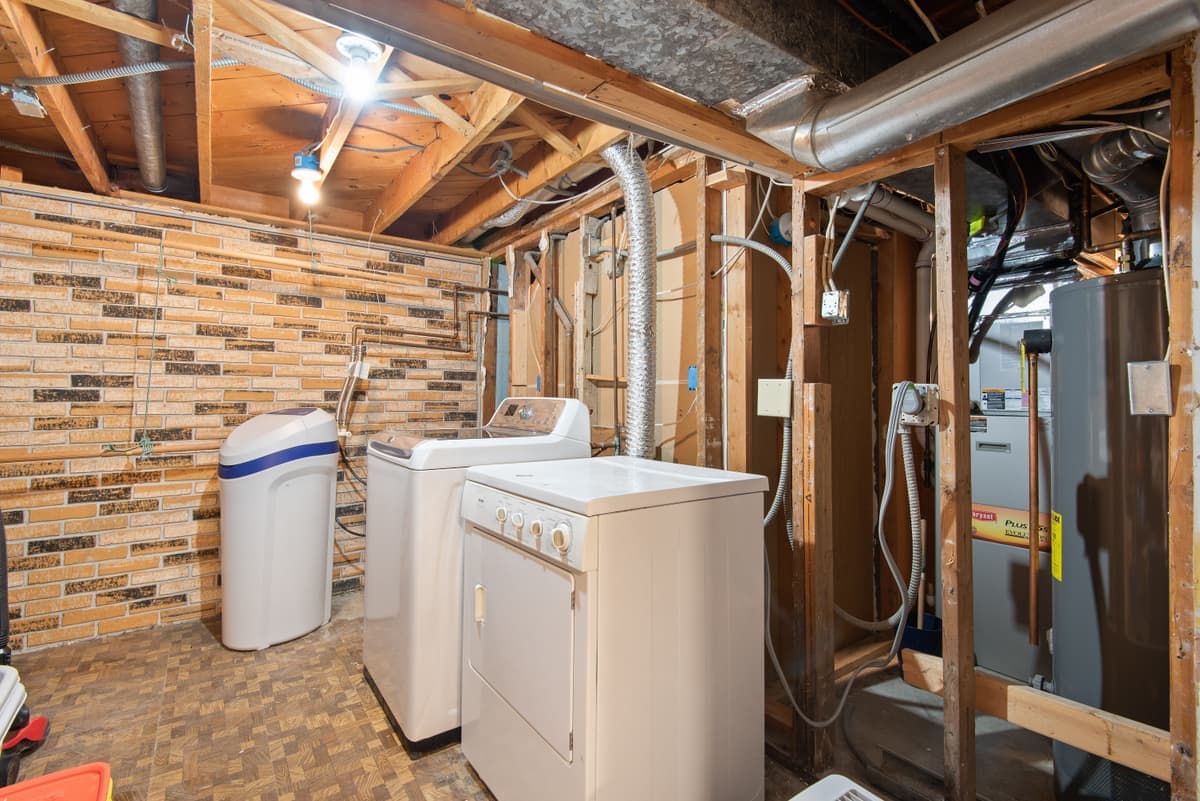
Best gas
Best gas tank water heaters
Fast recovery, generous first-hour ratings, and the venting question that decides which model.
No live price feed on this site, so we show none. #ad
Best electric
Best electric tank water heaters
Simple, cheap to buy, slow to recover. Which is why sizing matters more here.
No live price feed on this site, so we show none. #ad
Best heat pump
Best heat pump water heaters
A storage tank that uses roughly a quarter of the electricity. Conditions apply, and they are real.
No live price feed on this site, so we show none. #ad
By capacity
40 gallon
Best 40 gallon water heaters
Two to three people on gas, one to two on electric. The honest bracket.
No live price feed on this site, so we show none. #ad
50 gallon
Best 50 gallon water heaters
The default American size, and the right one more often than not.
No live price feed on this site, so we show none. #ad
75 and 80 gallon
Best 75 and 80 gallon water heaters
Nearly always an electric answer to a recovery problem rather than a storage one.
No live price feed on this site, so we show none. #ad
Gas venting: the decision inside the gas decision
If you are buying a gas tank, the venting type is usually a bigger constraint than the brand.
- Atmospheric (natural draft). The cheapest, and what most older houses have. Needs a working chimney or B-vent and real combustion air in the room. In a tight modern house or a sealed closet it can backdraft.
- Power vent. A blower pushes exhaust out through PVC, so it can vent horizontally through a wall. Needs an electrical outlet beside the heater. Solves awkward flue geometry.
- Direct vent. Draws combustion air from outdoors through a concentric or twin pipe. This is the answer for a sealed closet or a very tight house — the Bradford White Defender direct-vent model is in our gas roundup specifically for that case.
What actually kills a tank
Not the burner and not the control board. The tank itself rusts through, and what stands between the steel and the water is a glass lining plus a sacrificial anode rod. The anode is consumed; in hard water it can need replacing within a year or two.
That makes anode replacement the highest-value hour of maintenance available on a storage tank, and it is the reason tanks that get looked after reach 15 years while identical neglected ones leak at 8. Anode rods, and how long water heaters last for the full failure analysis.
What goes in with it
A water heater is a system, not a box. These are the parts that go in with it, and the ones people discover they need halfway through the job.
- Expansion tank
Required by code on a closed system, which is most homes with a pressure-reducing valve.
- Drain pan
Cheap insurance anywhere the tank sits above something you care about.
- Anode rod
The part that decides when the tank leaks. Replacing it is the highest-value hour of maintenance there is.
When not to buy a tank
- You genuinely run out of hot water and cannot fit a bigger tank. That is a tankless or two-tank conversation.
- The tank's floor space is valuable and you are already doing construction.
- You are all-electric with somewhere unconditioned to put a unit. A heat pump water heater is a storage tank and costs a quarter as much to run.
- You are away for long stretches. Standby loss runs whether you are home or not; tankless loses nothing while idle.