How Long Do Water Heaters Last?
The tank does not fail. The anode rod runs out, and then the tank fails.
Heat & Tap earns a commission on qualifying purchases made through the Amazon links on this page, at no extra cost to you. Commission does not decide what we recommend or how we rank it. Full disclosure.
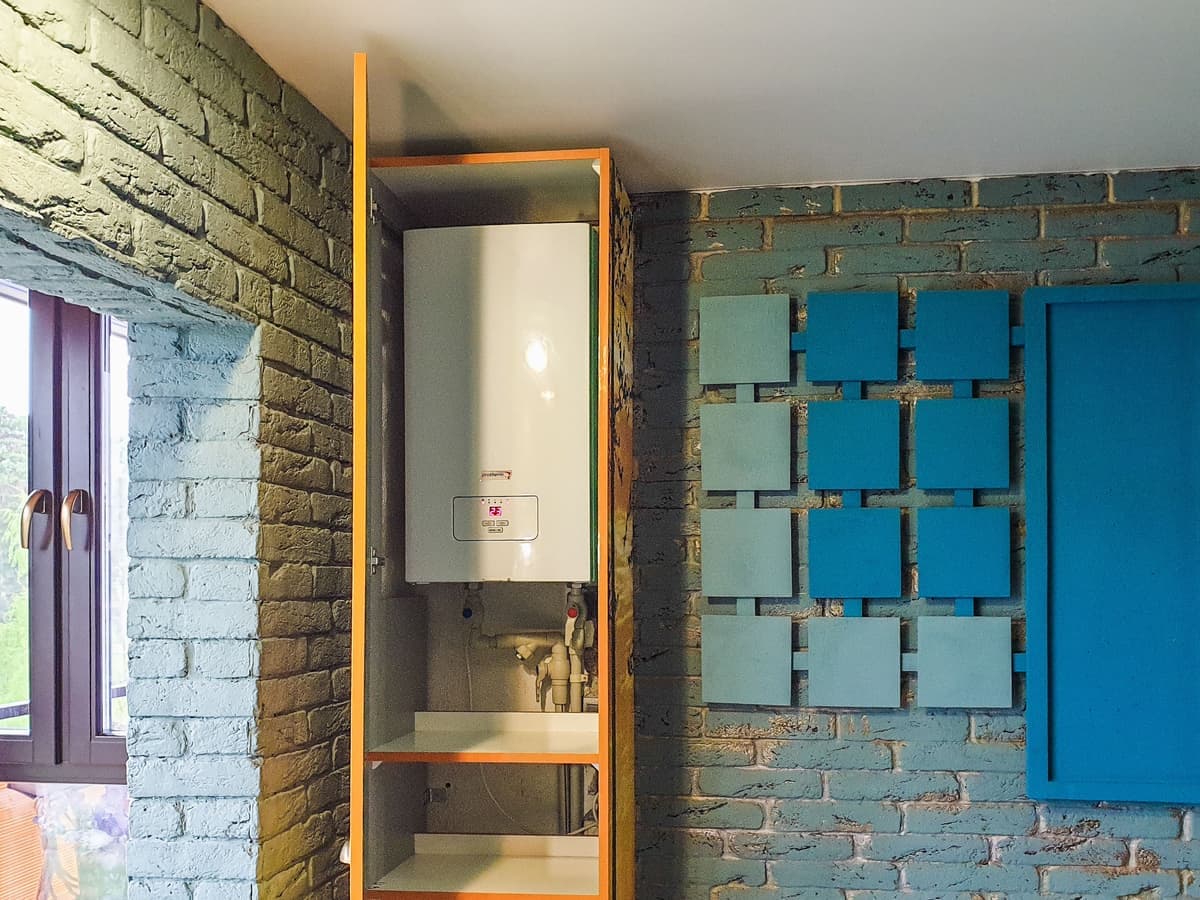
A storage tank lasts about 10 to 15 years and a tankless unit up to 20, consistently across the sources we checked. What decides where in that band you land is the anode rod and your water chemistry, not the brand. Replace the anode before it is consumed and a tank reaches the top of the range; neglect it and it leaks at eight years.
Here is the mechanism, because understanding it changes what you do about it. A storage tank is steel with a glass lining. The lining is good but not perfect, and wherever it is imperfect the water would attack the steel — except that a sacrificial anode rod, made of a metal more electrochemically active than steel, corrodes preferentially instead.
The tank is protected for exactly as long as there is anode left. After that the water goes to work on the steel, and the clock on the leak starts.
The service life figures
| Type | Typical life | What limits it |
|---|---|---|
| Gas storage tank | 10 to 15 years | Tank corrosion; the anode rod and water chemistry |
| Electric storage tank | 10 to 15 years | Same, plus element scaling in hard water |
| Heat pump water heater | Tank warranted 10 years on the units here | Tank corrosion, plus the compressor and fan as additional components |
| Tankless | Up to 20 years | Heat exchanger scaling; the annual descale is what gets you there |
| Mini tank, point of use | Not published by manufacturers | Rheem warrants its MiniTank 5 years on leaks, which is the clearest signal available |
What actually shortens a tank's life
- A consumed anode rod, by a wide margin the biggest factor. In hard water a sacrificial rod can be depleted in as little as 3 months, and reported intervals range up to 18 months.
- Sediment on the tank bottom, which insulates the burner from the water on a gas unit, making the steel above the burner run hotter than designed.
- High water temperature. Hotter water is more aggressive and accelerates both scaling and corrosion.
- Pressure cycling from uncontrolled thermal expansion, which stresses the tank on every heating cycle. This is what an expansion tank prevents. Code requirements.
- Softened water, which is more aggressive toward a sacrificial anode, so rods go faster.
- Hard water on an electric unit, where scale on the elements makes them run hot and fail early.
What actually shortens a tankless unit's life
One thing: scale in the heat exchanger. The mechanism is a loop — scale insulates, so the unit fires hotter to deliver the same water, which precipitates more scale. It ends in a flow fault or an over-temperature fault and eventually a heat exchanger failure.
Which is why manufacturers specify annual descaling for residential use, and why a heat exchanger that failed from scale in a unit that was never flushed is a warranty conversation you are likely to lose. How to flush a tankless water heater.
The maintenance that actually extends life
| Job | Interval | Why it matters |
|---|---|---|
| Check and replace the anode rod | Inspect every 1 to 3 years | The single highest-value hour of maintenance on a tank. It is what stands between the water and the steel |
| Descale a tankless unit | Annually, more in hard water | The only thing that gets a tankless unit to 20 years, and a warranty condition |
| Flush sediment from a tank | Annually | Preserves first-hour delivery and stops the burner overheating the steel above it |
| Test the relief valve | Annually | A safety device that can seize. Testing it is free |
| Check the expansion tank's air charge | Every 1 to 2 years | A waterlogged expansion tank is doing nothing, and you cannot tell by looking |
| Lower the temperature to 120°F | Once | Less aggressive water, less scaling, less scald risk. Use a mixing valve if you need hotter storage |
The parts that extend service life
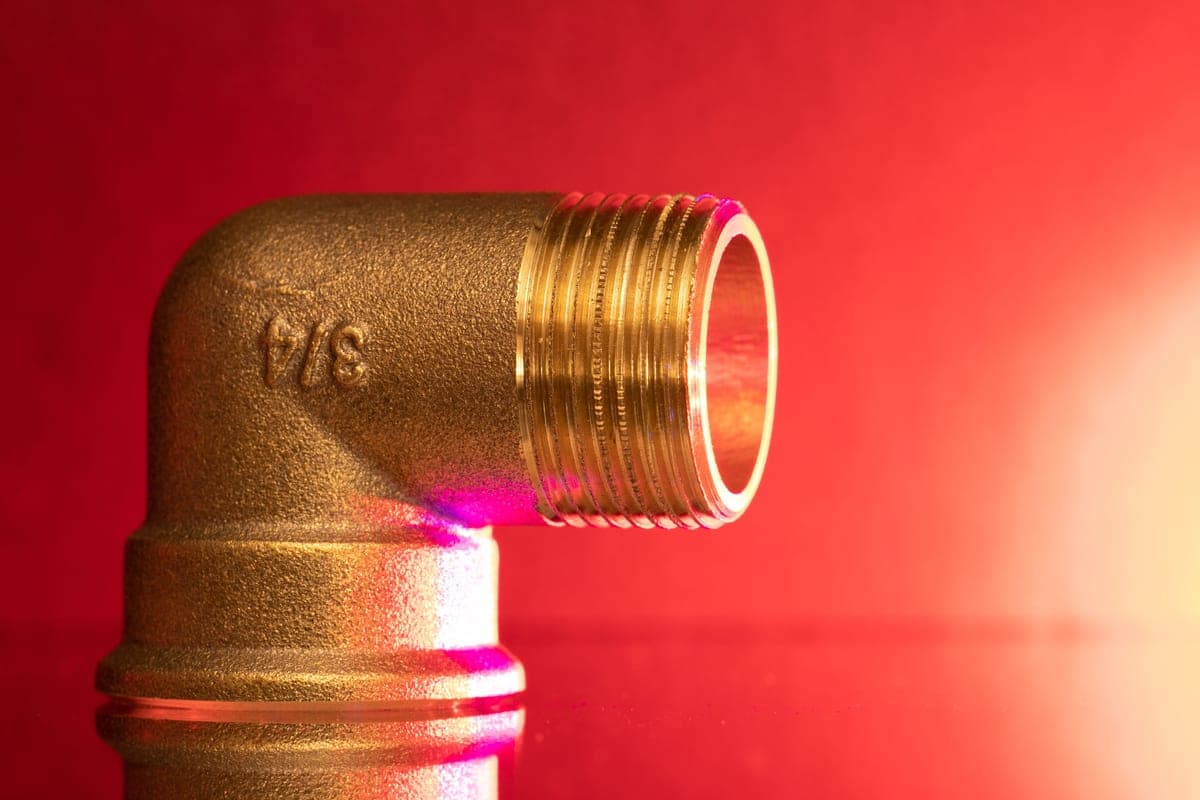
Pick 1 — Hard water and smelly water
Corro-Protec powered anode rod
A powered titanium anode that does not deplete, carries a 20-year limited warranty, and is the usual fix for the rotten-egg smell a magnesium rod causes.
| Type | Powered titanium MMO anode with a low-voltage controller |
|---|---|
| Mechanism | Impressed-current cathodic protection |
| Depletion | Does not deplete, unlike magnesium or aluminum |
| Warranty | 20-year limited, with a 90-day money-back guarantee |
| Certification | Certified lead free by WQA under NSF/ANSI/CAN 372 |
What is good
- It does not sacrifice itself, so it does not need replacing every few years
- Usually eliminates the sulfur smell that a magnesium rod produces in some water
- 20-year warranty against a sacrificial rod's 3 to 18 months in hard water
- Lead-free certified for potable use
What is not
- Needs a power outlet near the heater and a controller mounted somewhere
- Costs several times a sacrificial rod
- No protection at all during a power cut
Skip it if: Skip it if your tank is already more than about eight years old. A powered anode cannot undo corrosion that has already happened, and the money is better spent toward the replacement that is coming anyway.
No live price feed on this site, so we show none. #ad
Specifications above from Corro-Protec product facts; Corro-Protec, magnesium versus aluminum anodes. We have not tested this unit ourselves.
Pick 2 — Routine sacrificial replacement
Rheem R-Tech magnesium anode rod
A plain magnesium sacrificial rod, which is the right default: magnesium protects better than aluminum and leaves no aluminum residue in the water.
| Material | Magnesium |
|---|---|
| Type | Sacrificial anode rod |
| Service life | Magnesium and aluminum rods deplete; replacement intervals of 3 to 18 months are reported in hard water |
What is good
- Magnesium is the more protective of the two common sacrificial metals
- No aluminum residue in the drinking water
- Tends to produce less odor than aluminum in most water
- Cheap, and replacing it is the single highest-value hour of maintenance on a tank
What is not
- It is consumed — in aggressive water it can need replacing inside a year
- In some water chemistry magnesium causes the sulfur smell instead of curing it
- Removing a seized factory rod can take a breaker bar and a lot of nerve
Skip it if: Skip magnesium if your water already smells of rotten eggs. In water with sulphate-reducing bacteria a magnesium rod feeds the reaction; that is the case for a powered anode instead.
No live price feed on this site, so we show none. #ad
Specifications above from Rheem SP11526C R-Tech magnesium anode rod listing; Corro-Protec, magnesium versus aluminum anodes. We have not tested this unit ourselves.
Pick 3 — Cheap early warning
Govee WiFi water leak detector
The cheapest useful leak alarm: a 100 dB siren plus a push and email alert, with one gateway covering up to 20 sensors around the house.
| Alarm | 100 dB, three selectable levels, mutable |
|---|---|
| Alerts | App push and email |
| Capacity | Up to 20 sensors per WiFi gateway |
| Current model | GoveeLife 1s rates a 105 dB alarm and 1,804 ft range |
What is good
- A siren loud enough to hear from another floor
- Email alerts mean you find out while you are away, not when you get back
- One gateway covers the heater, the washing machine and the dishwasher
- Cheap enough to put three around the house
What is not
- It alerts, it does not shut the water off
- Needs working WiFi and a live gateway to send anything
- Battery powered, so it needs checking once a year
Skip it if: Skip it as your only protection if the heater sits above a finished ceiling and you travel. An alert you cannot act on for three days is not protection — that case wants an automatic shutoff valve.
No live price feed on this site, so we show none. #ad
Specifications above from GoveeLife water leak detector 1s product page. We have not tested this unit ourselves.
The warning signs, in order of urgency
- Water on the floor, or a damp patch under the tank. The tank has failed. It will not get better. Plan a replacement now rather than when it is forced on you.
- Rusty hot water that runs clear on the cold side. Corrosion inside the tank. Late-stage.
- Rumbling or popping when it heats. Sediment on the bottom, with water boiling under it. Flush it, and know the tank has been running hot.
- A relief valve that weeps after a heating cycle. Uncontrolled thermal expansion, usually a missing or failed expansion tank. Fix it before the valve stops reseating.
- Noticeably less hot water than it used to give. Could be a failed element, a broken dip tube, or heavy sediment — all repairable. Running out of hot water.
- Anything past 12 years with no anode history. Not a symptom, but a reason to plan rather than wait. A planned replacement is cheaper and calmer than an emergency one.
What goes in with it
A water heater is a system, not a box. These are the parts that go in with it, and the ones people discover they need halfway through the job.
- Expansion tank
Required by code on a closed system, which is most homes with a pressure-reducing valve.
- Drain pan
Cheap insurance anywhere the tank sits above something you care about.
- Anode rod
The part that decides when the tank leaks. Replacing it is the highest-value hour of maintenance there is.