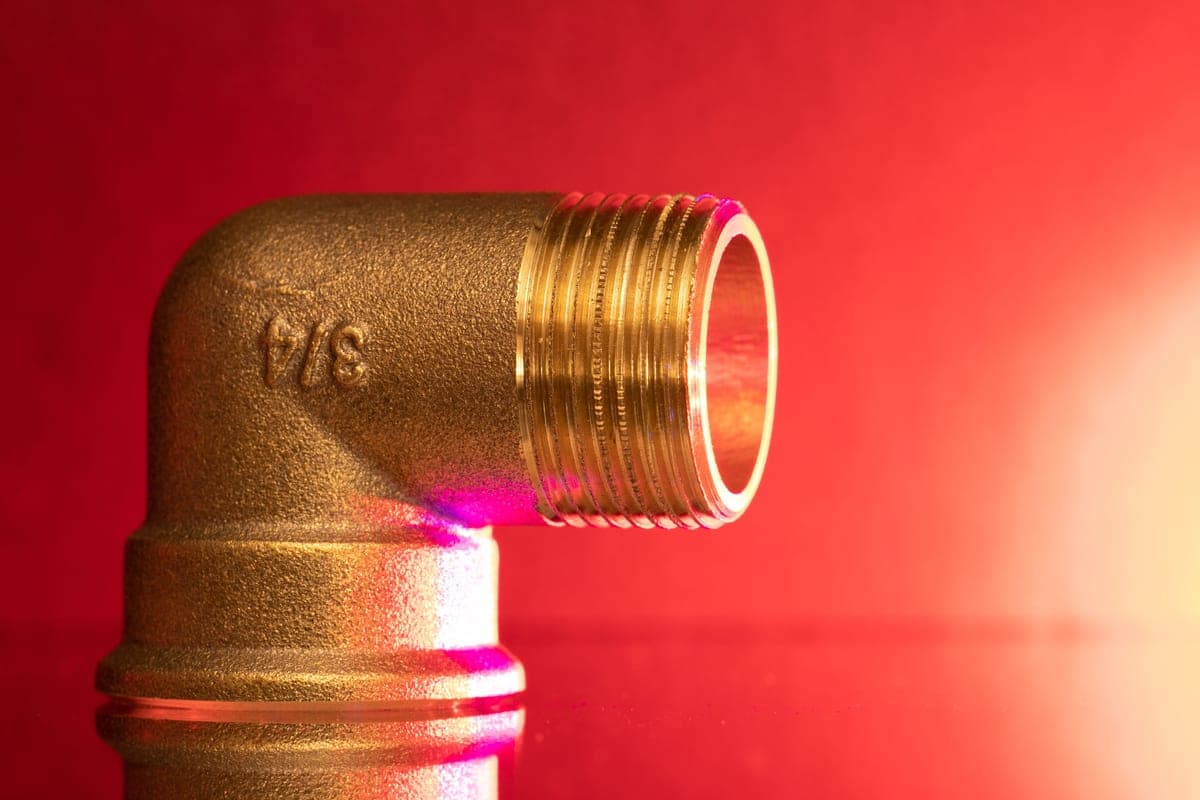
Water Heater Accessories and Install Parts
A water heater is a system, not a box. This is the part of the job people find out about halfway through.
Four parts go in with most water heaters: an expansion tank (required by code on a closed system), a drain pan sized to the tank, an anode rod check, and for tankless a flush kit plus isolation valves. A recirculation pump fixes the wait at a distant fixture, and a leak detector is the cheapest insurance in the house.
This is the section of the site we think matters most, and it is the one almost nobody else covers properly. Search for any water heater and you will find a hundred reviews of the appliance. Search for what goes in with it and you find manufacturer PDFs and forum threads.
Which is strange, because this is where the surprises live. The expansion tank your inspector requires. The drain pan that turns out to be the wrong diameter. The isolation valves nobody fitted, which means the tankless unit cannot be flushed at all. None of these are expensive. All of them are annoying to discover on install day.
What goes in with what
| Part | Gas tank | Electric tank | Heat pump | Tankless |
|---|---|---|---|---|
| Expansion tank | If closed system | If closed system | If closed system | Usually not — no stored volume to expand |
| Drain pan | Recommended | Recommended | Required (condensate) | Wall-hung pan if above finished space |
| Anode rod | Yes, check annually | Yes, check annually | Yes | No tank, no anode |
| Flush kit | Tank flush via drain valve | Same | Same | Yes, plus isolation valves |
| Descaler | Occasionally, for elements | Occasionally | Occasionally | Yes, annually |
| Recirculation pump | Optional comfort | Optional comfort | Optional comfort | Often needed — fixes the ignition delay |
| Leak detector | Recommended | Strongly if above finished space | Strongly — condensate too | Recommended |
| Seismic straps | Required in seismic zones | Required in seismic zones | Required in seismic zones | Not applicable to a wall-hung unit |
The parts, in order of how often they catch people out
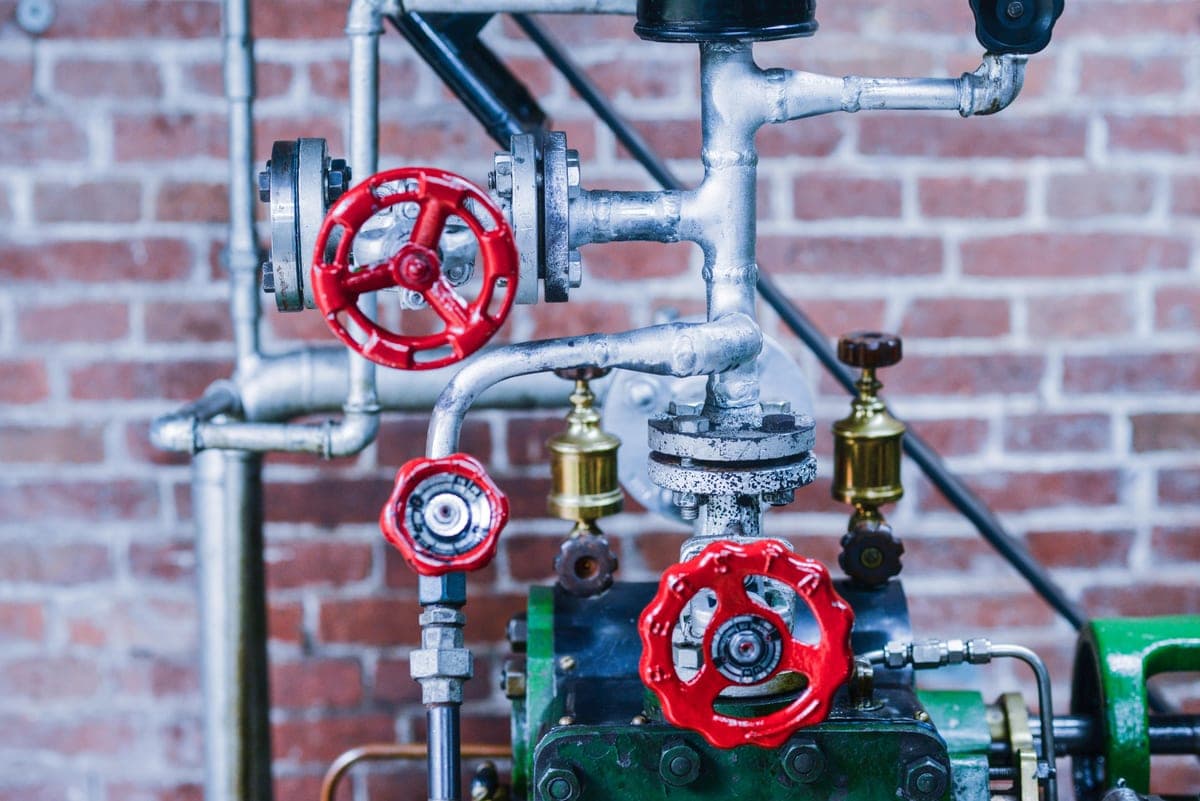
Expansion tanks
Best water heater expansion tanks
The part your inspector will ask about, sized from your static pressure rather than your tank size alone.
No live price feed on this site, so we show none. #ad
Drain pans
Best water heater drain pans
Cheap, boring, and the difference between a wet floor and a ceiling repair.
No live price feed on this site, so we show none. #ad

Flush kits
Best tankless water heater flush kits
A pump, two hoses, a bucket and a solution. The annual job that decides whether a tankless unit lasts 20 years.
No live price feed on this site, so we show none. #ad
Descalers
Best tankless water heater descalers
Acid or non-acid, and which one belongs in an unventilated closet.
No live price feed on this site, so we show none. #ad
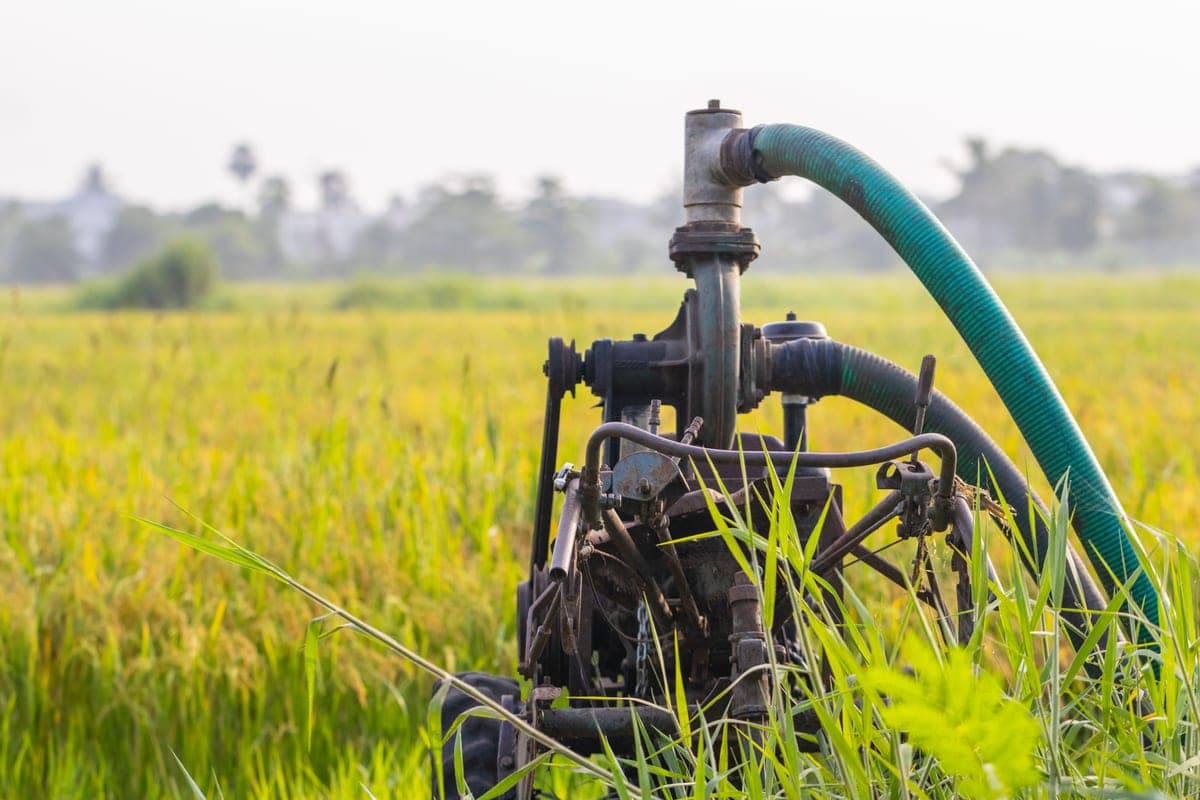
Recirculation
Best hot water recirculating pumps
Twenty-five watts and a timer, and the ninety-second wait at the far bathroom disappears.
No live price feed on this site, so we show none. #ad
Leak detection
Best water heater leak detectors
From a 100 dB puck to a valve that closes the main by itself.
No live price feed on this site, so we show none. #ad
Anode rods
Water heater anode rods
The part that decides when the tank leaks, and the one maintenance job with the best return.
No live price feed on this site, so we show none. #ad
Why the expansion tank is the one to understand
Water expands when heated. In an open system that expansion pushes back into the municipal main and nothing happens. In a closed system — one with a pressure-reducing valve, a check valve or a backflow preventer where the water enters the house — there is nowhere for it to go, so the pressure rises.
IPC Section 607.3 requires a thermal expansion tank on the cold water supply downstream of those devices in that situation, and specifically does not allow the relief valve to be used to control thermal expansion. Most modern houses have a pressure-reducing valve. Expansion tank code requirements, and how to size one.
The tankless-specific list
If you are having a tankless unit installed, insist on these at install time. Retrofitting them later costs more than fitting them now:
- Isolation valves on the hot and cold connections. Without them there is literally nothing to attach a flush hose to, and the annual descale becomes impossible.
- A condensate drain route, if the unit is condensing. A pump if gravity will not do it.
- A sediment or inlet screen you can reach, because that is the first thing to check when flow drops.
- A flush kit, bought at the same time so the first annual service actually happens. Flush kits.
The one part everyone skips and should not
The anode rod. It is what stands between the water and the steel, it is consumed over time, and replacing it is a single hour of work that can add years to a tank. In hard water, reported replacement intervals run from as little as 3 months to 18.
Nobody does it, which is why identical tanks in identical houses fail at 8 years and 15 years. Anode rods.
What goes in with it
A water heater is a system, not a box. These are the parts that go in with it, and the ones people discover they need halfway through the job.
- Expansion tank
Required by code on a closed system, which is most homes with a pressure-reducing valve.
- Drain pan
Cheap insurance anywhere the tank sits above something you care about.
- Anode rod
The part that decides when the tank leaks. Replacing it is the highest-value hour of maintenance there is.