Heat Pump Water Heaters
A quarter of the running cost of a resistance tank, with four conditions attached. All four are real.
A heat pump water heater moves heat out of the surrounding air into the water instead of making heat electrically, which is why it reaches a 3.4 to 4.0 UEF against 0.93 for a resistance tank. It needs air volume, a condensate drain, somewhere the compressor noise is tolerable, and a space where cooling the room is acceptable.
This is the biggest single running-cost decision available to an all-electric household, and it is also the most over-promised product in water heating. Both of those are true at once. The efficiency is real and large. The installation conditions are also real, and a heat pump water heater installed in the wrong place quietly runs on its backup resistance element, which means you paid a premium for a resistance tank.
How it actually works
It is a refrigerator run backwards. A compressor and a fan pull heat out of the air around the unit and dump it into the water in the tank. Because it moves heat rather than generating it, it can put more energy into the water than it draws from the wall — that is what a UEF above 1.0 means, and heat pump units are at 3.4 to 4.0.
Two consequences follow directly, and they are the entire practical story of this category. It takes heat out of the room, so the space gets cooler. And it condenses moisture out of that air, so there is water to drain.
The four conditions
- Air volume. The unit needs enough air to extract heat from — manufacturers typically specify around 700 cubic feet, or louvered doors with a stated free area. A sealed closet is the classic mistake.
- A condensate drain. It produces condensate continuously while running, like an air conditioner. That needs a gravity drain or a condensate pump.
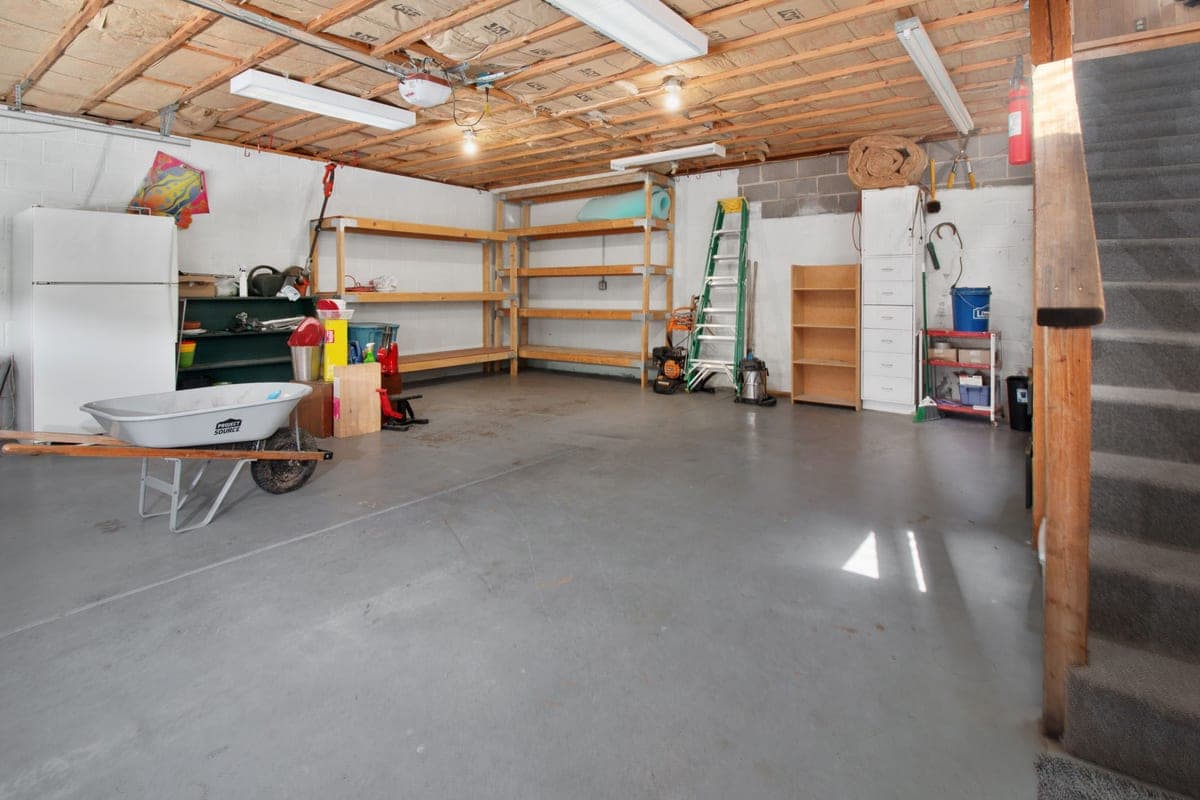
- Noise it can make. A compressor and a fan, roughly a dehumidifier's worth. Fine in a garage, fine in an unfinished basement, a problem directly under a bedroom. This is the complaint that repeats most in owner reviews.
- A space where cooling is acceptable. In a Houston garage the cooling is a gift. In a heated Minnesota basement your furnace ends up paying for your hot water, which erases the saving you bought.
Where to start
Best overall
Best heat pump water heaters
Ranked on UEF, first-hour rating and ambient operating range, which is the figure that decides a garage install.
No live price feed on this site, so we show none. #ad

Decision
Are heat pump water heaters worth it?
The honest answer, including the four situations where it is no.
No live price feed on this site, so we show none. #ad
No new circuit
Best 120 V plug-in heat pump water heaters
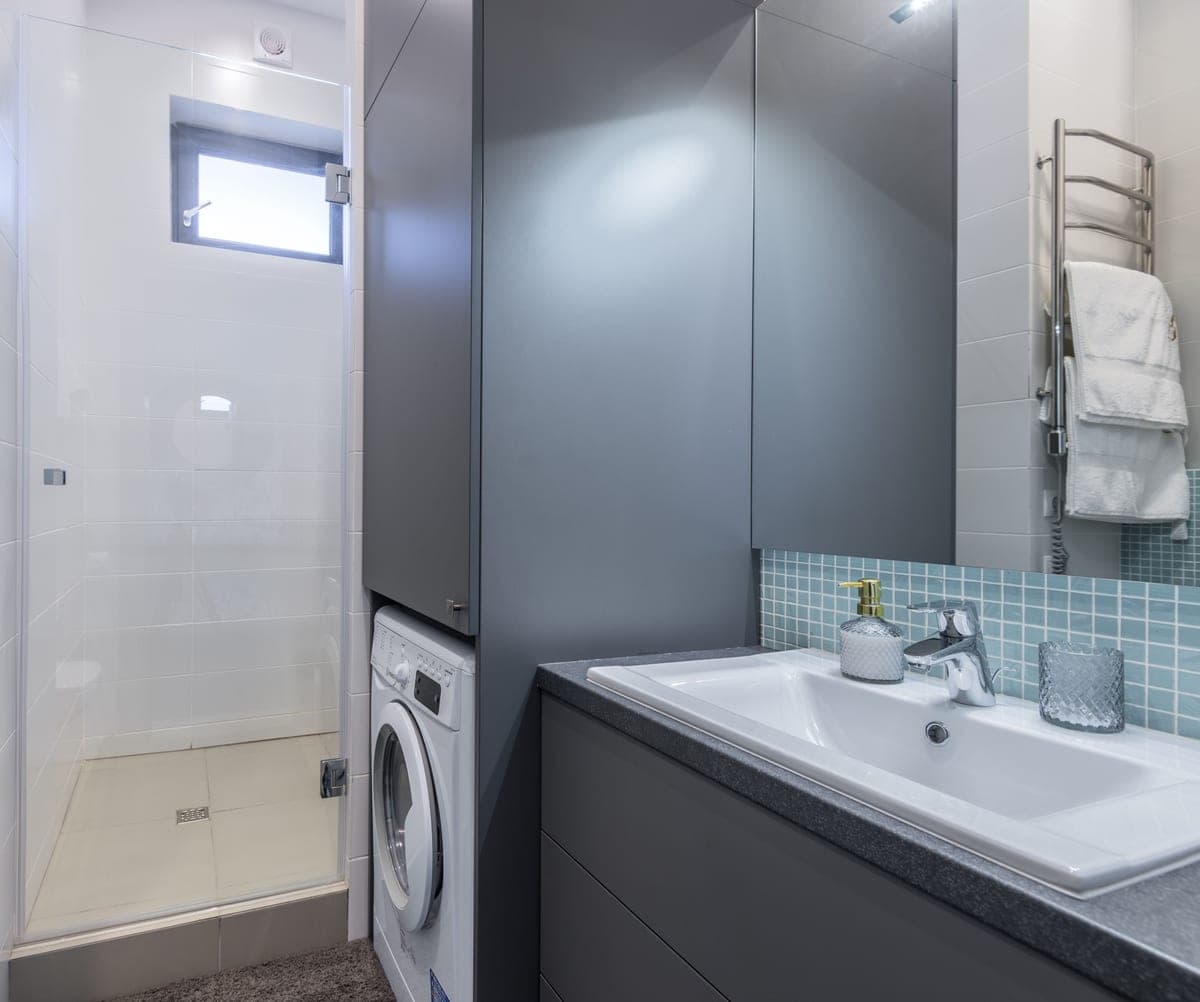
The one version that needs no electrician, for a condo or a full panel.
No live price feed on this site, so we show none. #ad

Guide
Heat pump water heaters in cold climates
Ambient operating limits, Northern Climate Specification tiers, and what happens at 35°F.
Guide
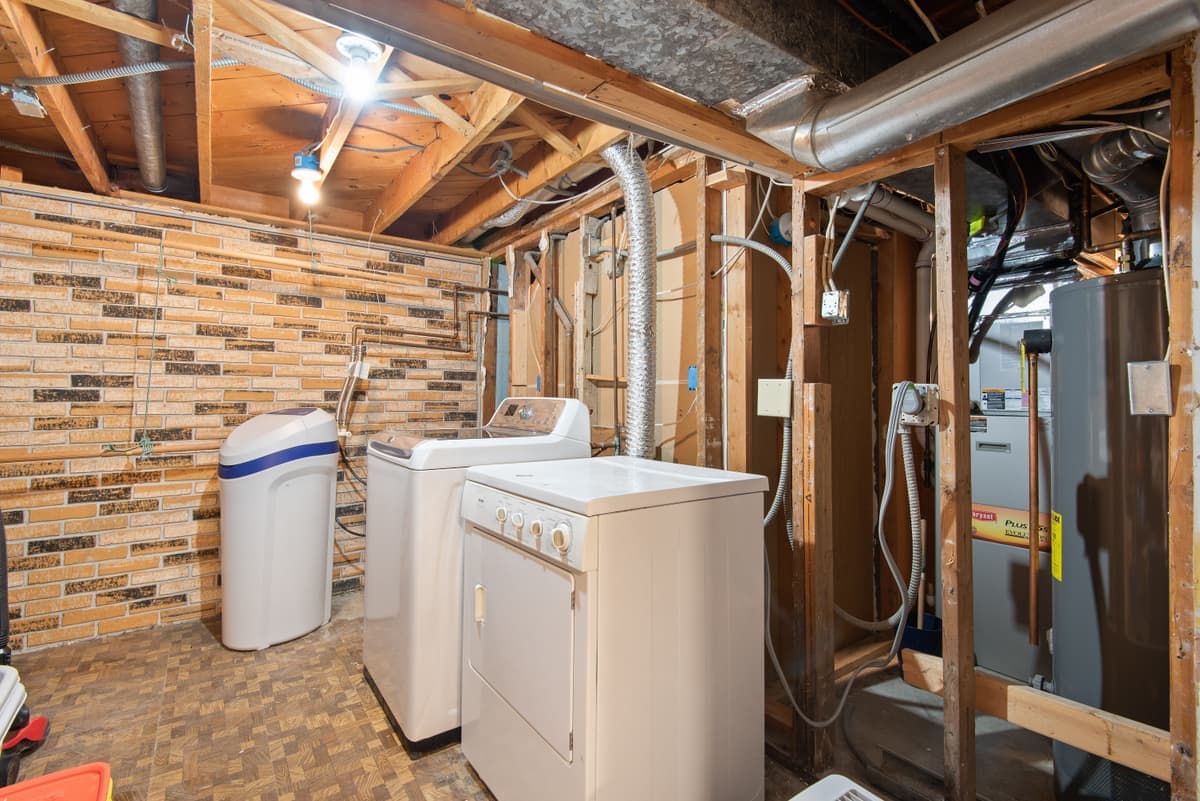
Heat pump water heater in a garage or basement
Where to put it, how much air it needs, and what the cooling does to the space.
Review
Rheem ProTerra review
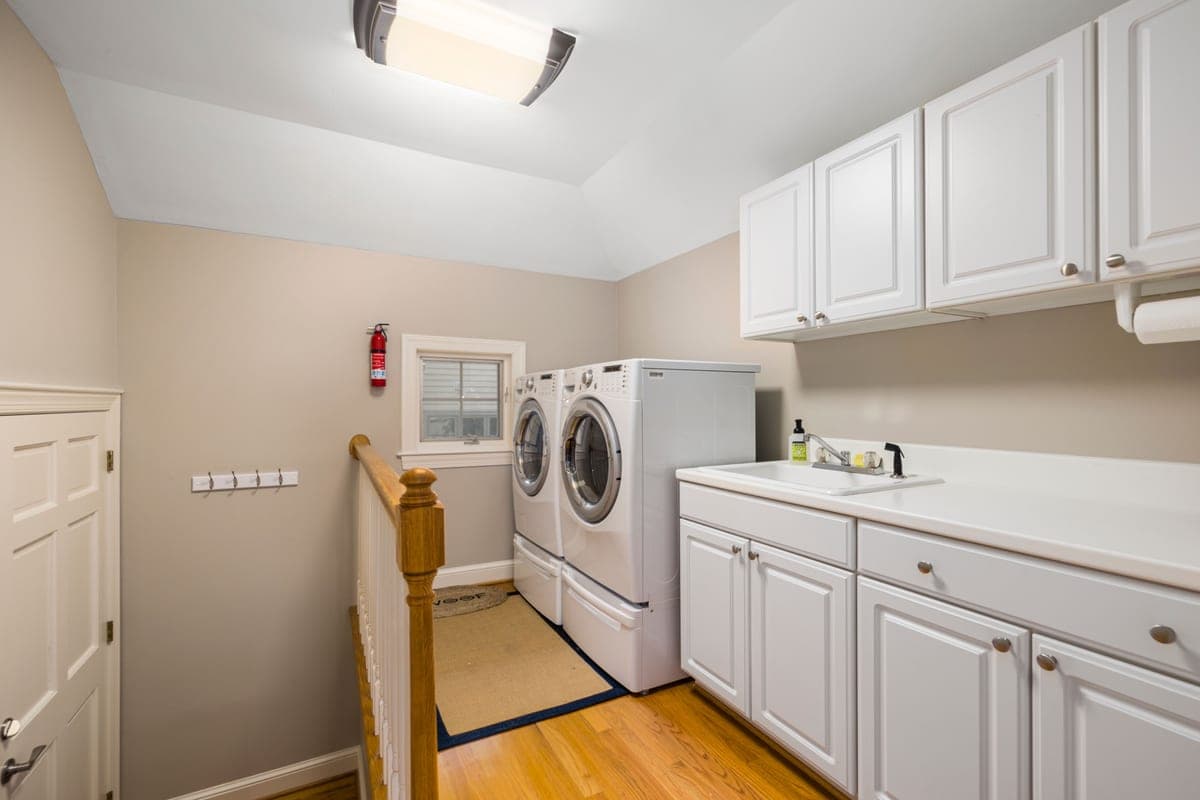
The unit most installers reach for, examined properly.
No live price feed on this site, so we show none. #ad
What they cost to run, relative to the alternatives
We will not print a dollar figure, because it depends entirely on your electricity rate and your usage, and a national average would be a number nobody actually pays. What we can give you is the ratio, which is what actually transfers:
| Appliance | UEF | Relative energy use |
|---|---|---|
| Electric resistance tank | 0.92 to 0.93 | 1.0x (the baseline) |
| A. O. Smith ProLine XE heat pump | 3.42 | About 0.27x |
| A. O. Smith Voltex MAX heat pump | 3.84 | About 0.24x |
| Rheem ProTerra 50 heat pump | 3.88 | About 0.24x |
| A. O. Smith Voltex AL heat pump | 4.02 | About 0.23x |
| Rheem ProTerra 120 V plug-in | 3.0 to 3.5 | About 0.27 to 0.31x |
Roughly a quarter of the electricity, in other words, for the same hot water. On a household using a lot of hot water that ratio is the most consequential number on this site.
On rebates, and one thing you must not believe
What goes in with it
A water heater is a system, not a box. These are the parts that go in with it, and the ones people discover they need halfway through the job.
- Drain pan
A heat pump water heater makes condensate continuously, so this one is not optional.
- Leak detector
A condensate line that blocks will overflow long before you notice it.
- Expansion tank
Same closed-system rule as any other storage tank.
Who should not buy one
- Anyone whose only install location is a small sealed closet with no option for louvered doors.
- Anyone with no route for a condensate drain, unless they are willing to fit and maintain a condensate pump.
- Anyone putting it directly below a bedroom and sensitive to a dehumidifier-level hum.
- Anyone in a heated space in a cold climate where the heat it steals is heat their furnace just paid for.
- Anyone on gas with a working flue, where a gas tank is cheaper to buy, cheaper to run and has a better first-hour rating.