Best Tankless Water Heater Descalers
Acid works faster. Non-acid is the one you can use in a closet. Match it to where the unit lives.
Heat & Tap earns a commission on qualifying purchases made through the Amazon links on this page, at no extra cost to you. Commission does not decide what we recommend or how we rank it. Full disclosure.
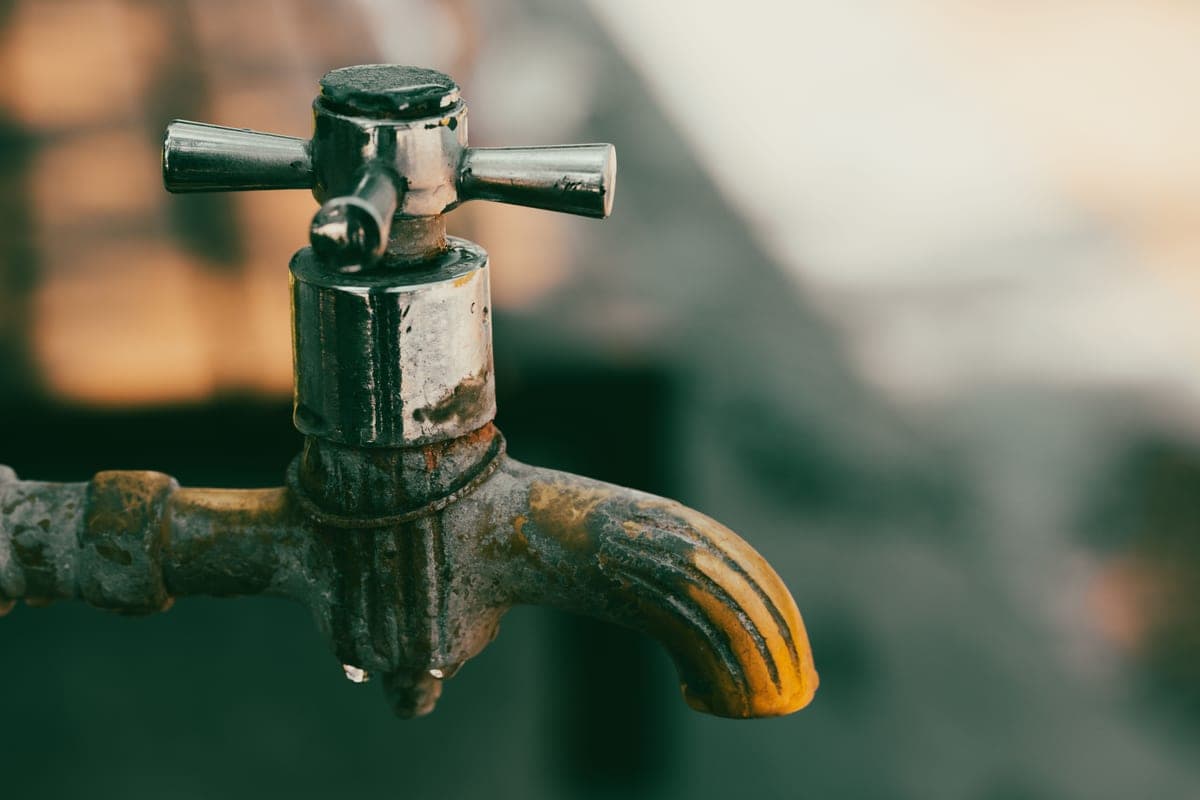
Flow-Aide is the standard acid descaler — aqueous hydrogen chloride, rated 32 to 140°F — and it dissolves scale, lime and rust faster than anything gentler. For an interior closet with no ventilation, a non-acidic cleaner such as the Calci-Free supplied in the Kelaro kit is the right call: slower, but you can be in the room with it.
Scale is what kills tankless water heaters. Dissolved calcium and magnesium precipitate onto the hottest surface in the system, which is the inside of the heat exchanger. The deposit insulates, so the unit fires hotter to deliver the same water, which lays down more scale. A descaler reverses that, and doing it once a year is the whole of tankless maintenance.
Quick picks
Tap any row to read the full assessment below, or go straight to Amazon from the right-hand column. We earn a commission on qualifying purchases at no extra cost to you.
| # | Product | Best for | Price |
|---|---|---|---|
| 1 | Flow-Aide descaler solutionThe solution on its own: an acid descaler that dissolves scale, lime and rust deposits, recommended once a year for residential use. | Refilling a kit you already own | Check price on Amazon No live price feed on this site, so we show none. #ad |
| 2 |  Whitlam Flow-Aide descaler kitThe complete flush kit: a 3.5-gallon bucket, a 750 GPH pump, two 5-foot hoses and a quart of descaler — everything the annual service needs in one box. | Annual tankless descaling | Check price on Amazon No live price feed on this site, so we show none. #ad |
| 3 |  Kelaro tankless flushing kitThe kit with better hardware: a 1/8 HP pump, 6-foot stainless braided color-coded hoses and a bucket with a lid, supplied with a non-acidic Calci-Free cleaner. | A kit you will reuse | Check price on Amazon No live price feed on this site, so we show none. #ad |
The picks in full
Pick 1 — Refilling a kit you already own
Flow-Aide descaler solution
The solution on its own: an acid descaler that dissolves scale, lime and rust deposits, recommended once a year for residential use.
| Type | Acid descaler, aqueous hydrogen chloride |
|---|---|
| Use | Dissolves water scale, lime, rust and other water-formed deposits |
| Recommended frequency | Residential: once a year, or as needed |
| Temperature range | 32 - 140°F |
What is good
- Far cheaper per flush than buying another complete kit
- Restores flow and heat transfer rather than just slowing the scaling
- Works on tank heating elements as well as tankless heat exchangers
- Widely stocked through plumbing suppliers
What is not
- Acidic — gloves, eye protection and ventilation are not optional
- Must not be left circulating indefinitely in a heat exchanger
- Needs a thorough fresh-water rinse afterwards
Skip it if: Skip the acid route and use a non-acidic cleaner if the unit lives in an unventilated interior closet. Acid fumes in a confined space are a real hazard, and the softer cleaners work fine on annual-maintenance scale.
No live price feed on this site, so we show none. #ad
Specifications above from Pace Supply listing, Flow-Aide system descaler; First Supply listing, J.C. Whitlam Flow-Aide. We have not tested this unit ourselves.
Pick 2 — Annual tankless descaling
Whitlam Flow-Aide descaler kit
The complete flush kit: a 3.5-gallon bucket, a 750 GPH pump, two 5-foot hoses and a quart of descaler — everything the annual service needs in one box.
| Bucket | 3.5 gallons |
|---|---|
| Pump | 750 GPH, oil free, 15 ft power cord |
| Hoses | 2 x 5 ft rubber, male and female connections |
| Solution included | 1 quart Flow-Aide descaler |
| Composition | Hydrogen chloride, aqueous |
| Temperature range | 32 - 140°F |
What is good
- One purchase covers the whole job — no sourcing a pump and hoses separately
- 750 GPH is enough circulation to actually move scale rather than soak it
- The hoses extend the drain line about 10 feet, which matters in a tight closet
- Oil-free pump means no oil in the potable side if a seal fails
What is not
- The solution is acidic: it needs gloves, eye protection and ventilation
- The pump is a consumer-grade utility pump, not a service tool
- The 3.5-gallon bucket is the minimum volume for a full circuit
Skip it if: Skip it if your tankless unit has no isolation valves fitted. Without service valves on the hot and cold, there is nothing to connect the hoses to, and retrofitting the valves is the job to do first.
No live price feed on this site, so we show none. #ad
Specifications above from Ferguson listing, Whitlam Flow-Aide kit; Plumbers Stock listing, Flow-Aide flush kit. We have not tested this unit ourselves.
Pick 3 — A kit you will reuse
Kelaro tankless flushing kit
The kit with better hardware: a 1/8 HP pump, 6-foot stainless braided color-coded hoses and a bucket with a lid, supplied with a non-acidic Calci-Free cleaner.
| Pump | 1/8 HP utility pump |
|---|---|
| Hoses | 2 x 6 ft stainless braided, color coded |
| Bucket | 3.5 gallons with EZ-Off lid |
| Solution included | Calci-Free tankless cleaner |
| Solution type | Non-acidic, low odor |
What is good
- Stainless braided hoses survive storage far better than rubber ones
- Color coding removes the commonest flush mistake: hoses on the wrong ports
- The non-acidic cleaner is far more pleasant in an unventilated closet than hydrogen chloride
- Lidded bucket means you can store the kit with the hoses inside
What is not
- Non-acidic cleaners generally need a longer circulation time than an acid descaler
- Costs more than the Flow-Aide kit
- 1/8 HP is modest if you are flushing a large commercial unit
Skip it if: Skip it if you are flushing a badly neglected unit with years of scale. A non-acidic cleaner is the right default for annual maintenance but will struggle where an acid descaler would not.
No live price feed on this site, so we show none. #ad
Specifications above from eBay catalog entry, Kelaro tankless flushing kit. We have not tested this unit ourselves.
The two chemistries
| Acid (Flow-Aide) | Non-acidic (Calci-Free type) | |
|---|---|---|
| Active chemistry | Aqueous hydrogen chloride | Proprietary non-acid formulation |
| Speed | Fast | Slower, needs longer circulation |
| Effective on heavy neglect | Yes | Struggles with years of scale |
| Odor | Strong | Low |
| PPE needed | Gloves, eye protection, ventilation | Gloves advisable |
| Suits an unventilated closet | No | Yes |
| Rinse required | Thoroughly, not optional | Yes, but less critical |
| Temperature range | 32 to 140°F | Not published |
What a descaler does and does not do
Flow-Aide's published use is dissolving water scale, lime, rust and other water-formed deposits, restoring flow and heating efficiency in tankless water heaters, with annual residential application recommended.
- It does dissolve existing scale from the heat exchanger passages, restoring flow and heat transfer.
- It does work on electric tank heating elements too — a scaled element runs hot and fails early.
- It does not prevent future scale. That is a softener's job, or your annual flush.
- It does not fix a blocked inlet screen. Pull and rinse that separately, every time.
- It must not be left circulating indefinitely in a heat exchanger. Follow the time the manufacturer of your heater specifies.
How much you need
A single quart is the quantity supplied in the Flow-Aide kit for one residential flush, diluted into the 3.5-gallon bucket per the label. Buying the solution on its own is substantially cheaper per flush than buying another complete kit, which is why the standalone bottle is in this roundup.
If your water is very hard and you are flushing twice a year, buying the larger container is the obvious economy.
Vinegar, honestly assessed
White vinegar at around 5% acetic acid does dissolve scale, it is food-safe, it is cheap, and a lot of owners use nothing else. It needs several gallons and a longer circulation time than a purpose-made descaler.
The case against it is not that it does not work. It is that the job takes longer, which makes it less likely to happen every year, and an annual flush that happens is worth more than a thorough flush that does not. If vinegar is what gets you to actually do it, use vinegar.
Also: tank water heaters
Descaler is not only a tankless product. On an electric tank, scale builds on the elements and a scaled element runs hot and fails early. Where the elements are accessible, a descaling solution circulated or soaked per the product instructions can recover one — and it is usually cheaper to try than to replace. How to flush a tank water heater.
What goes in with it
A water heater is a system, not a box. These are the parts that go in with it, and the ones people discover they need halfway through the job.
- Flush kit
The annual descale is not optional on a tankless unit, and you need a pump, hoses and a bucket.
- Descaler solution
What actually dissolves the scale once the kit is hooked up.
- Recirculation pump
Fixes the cold-water delay that makes new tankless owners call a plumber.
How we chose
Published composition and intended use first, then suitability for real install locations, then cost per flush. We have not tested these products. How we pick.