Best Hot Water Recirculating Pumps
Twenty-five watts, a timer, and the ninety-second wait at the far bathroom goes away.
Heat & Tap earns a commission on qualifying purchases made through the Amazon links on this page, at no extra cost to you. Commission does not decide what we recommend or how we rank it. Full disclosure.
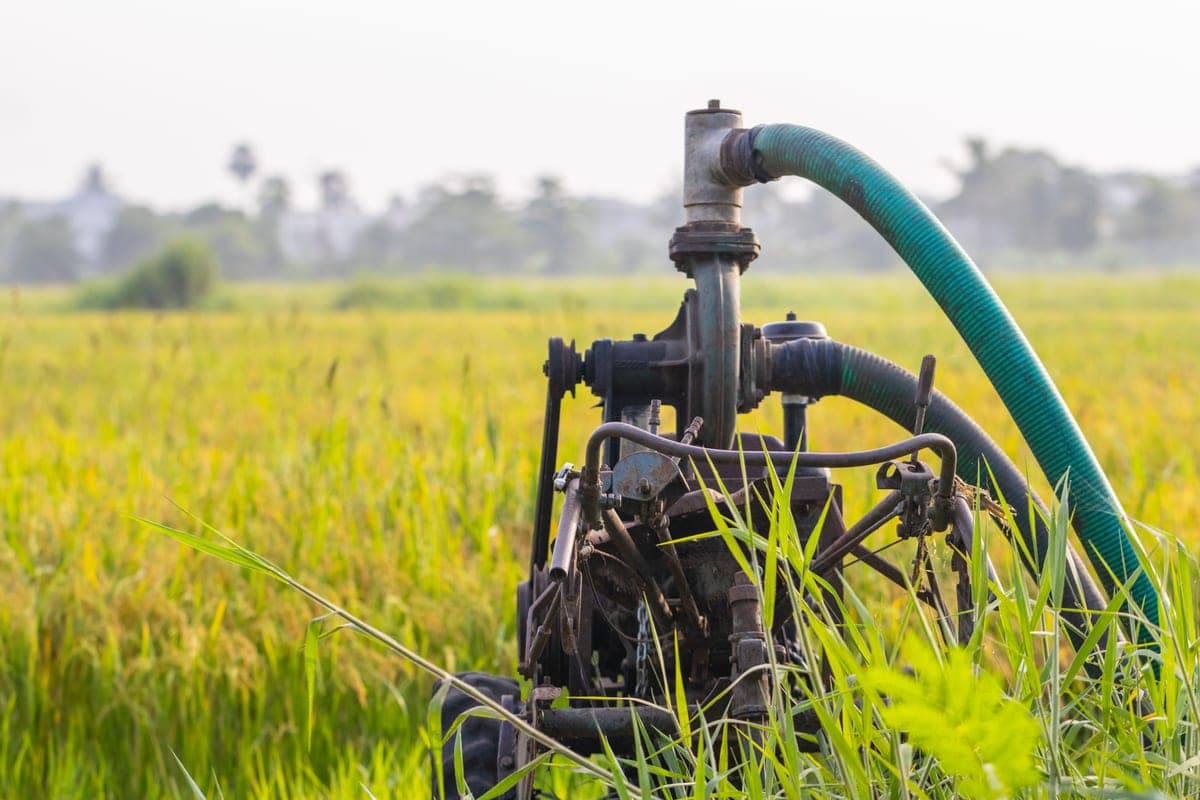
The Grundfos UP15-10SU7P Comfort System is the standard answer: 25 watts, 0 to 6.3 GPM, a built-in timer and line cord, and a stainless body rated to 150°F. It works without a dedicated return line using a crossover valve at the furthest fixture. Check the 150°F limit against your tank setting.
The wait for hot water is pipe volume. Fifty feet of 3/4-inch copper holds about a gallon and a half, and all of it has to go down the drain before hot water reaches the tap. That is the ninety seconds, and it is also several thousand gallons a year in a household that does it six times a day.
A recirculation pump keeps hot water moving in the pipe so there is hot water already nearby when you open the tap. It is one of the few plumbing upgrades where the benefit is immediately obvious to everyone in the house.
Quick picks
Tap any row to read the full assessment below, or go straight to Amazon from the right-hand column. We earn a commission on qualifying purchases at no extra cost to you.
| # | Product | Best for | Price |
|---|---|---|---|
| 1 | Grundfos UP15-10SU7P Comfort SystemThe comfort-system pump that made under-sink recirculation normal: 25 watts, a built-in timer and a line cord, in a stainless body rated to 150°F. | Recirculation with no return line | Check price on Amazon No live price feed on this site, so we show none. #ad |
| 2 |  Rinnai SE+ RSC199iNThe pick when you want hot water fast at a far bathroom and have no dedicated return line: ThermaCirc360 recirculates through the cold line instead, and the 15-year heat exchanger warranty is the longest here. | Recirculation without a return line | Check price on Amazon No live price feed on this site, so we show none. #ad |
| 3 | 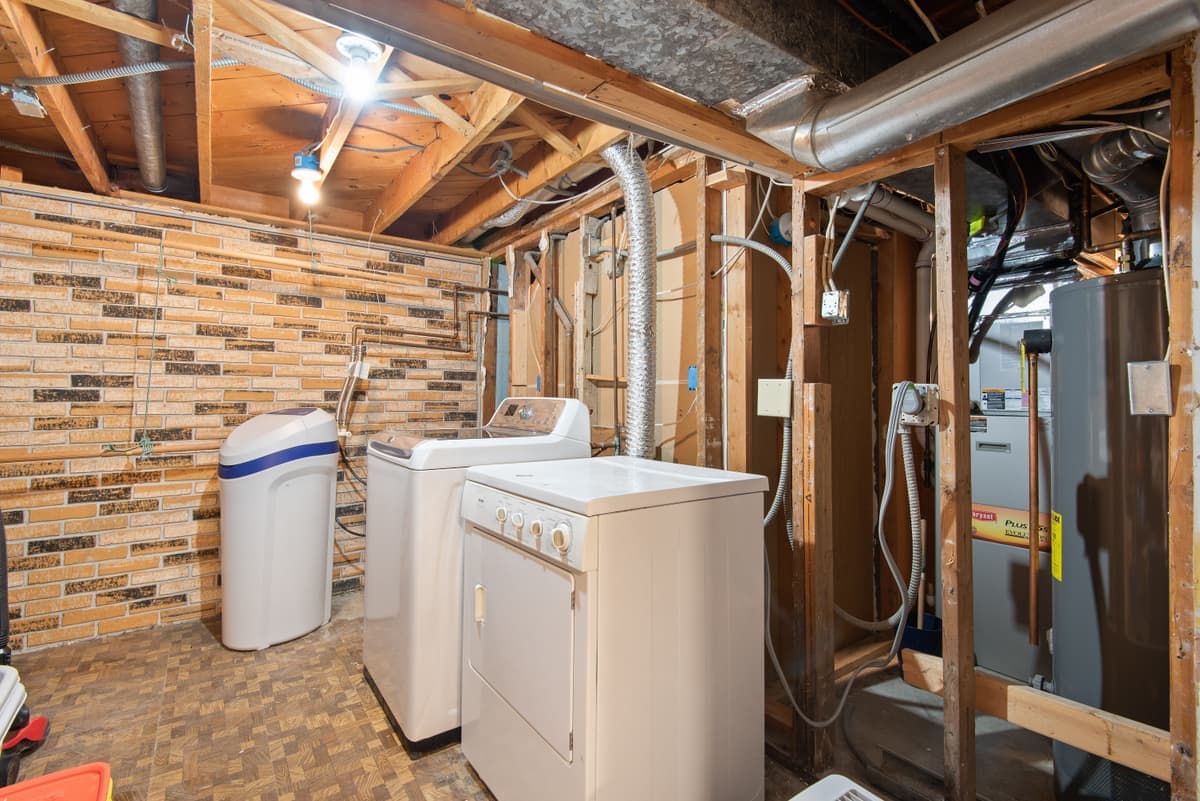 Navien NPE-240A2The high-flow pick: 11.2 GPM and a built-in buffer tank plus recirculation pump, which is what stops the cold-water sandwich on short, repeated draws. | Big draws and long pipe runs | Check price on Amazon No live price feed on this site, so we show none. #ad |
The picks in full
Pick 1 — Recirculation with no return line
Grundfos UP15-10SU7P Comfort System
The comfort-system pump that made under-sink recirculation normal: 25 watts, a built-in timer and a line cord, in a stainless body rated to 150°F.
| Power | 25 W |
|---|---|
| Voltage | 115 V, 0.23 A, single phase |
| Motor | 1/25 HP |
| Flow range | 0 - 6.3 GPM |
| Head range | 0 - 5.1 ft |
| Maximum pressure | 145 psi |
| Temperature range | 36 - 150°F |
| Body | Stainless steel |
| Connections | 3/4 in female NPT inlet, 3/4 in male NPT outlet |
| Controls | Built-in timer and line cord |
What is good
- 25 watts is less than the light bulb it is usually compared to
- Built-in timer means it only runs when you want hot water, not all day
- Stainless body is the right choice on the potable side
- Line cord: it plugs in rather than needing a wired connection
What is not
- 5.1 ft of head is modest — long or tall runs need a bigger pump
- A crossover-valve install puts warm water in the cold line at the far fixture
- 150°F maximum rules out tanks set higher for Legionella control
Skip it if: Skip it if your tank is set above 150°F for scald-control-plus-mixing-valve reasons. The pump's temperature limit is a hard limit, and a comfort pump cooked by 160°F water is a warranty conversation you will lose.
No live price feed on this site, so we show none. #ad
Specifications above from Supply House listing, Grundfos 99452459 UP15-10SU7P; Grundfos Comfort System and Alpha pump data. We have not tested this unit ourselves.
Pick 2 — Recirculation without a return line
Rinnai SE+ RSC199iN
The pick when you want hot water fast at a far bathroom and have no dedicated return line: ThermaCirc360 recirculates through the cold line instead, and the 15-year heat exchanger warranty is the longest here.
| Fuel | Natural gas |
|---|---|
| Gas input | 199,000 BTU/h |
| Maximum flow | 11 GPM |
| Efficiency | 0.95 UEF |
| Installation | Indoor only |
| Recirculation | ThermaCirc360 — works with or without a dedicated return line |
| Warranty | 15-year heat exchanger, 5-year parts, 1-year labor |
What is good
- Built-in recirculation means no separate pump, timer or control to buy and wire
- ThermaCirc360 can use the cold supply as the return, which is the difference between a half-day job and a re-pipe
- 15-year heat exchanger warranty
- 0.95 UEF keeps it inside most utility rebate thresholds
What is not
- Indoor installation only — no outdoor variant of this exact model
- Natural gas only in this model number
- Crossover recirculation through the cold line puts warm water in the cold tap for a few seconds
Skip it if: Skip it if you are plumbing a new build where a dedicated return line is going in anyway. You would be paying for the integrated pump twice over, and a plain condensing unit plus a separate pump is cheaper and easier to service.
No live price feed on this site, so we show none. #ad
Specifications above from Rinnai RSC199iN product page. We have not tested this unit ourselves.
Pick 3 — Big draws and long pipe runs
Navien NPE-240A2
The high-flow pick: 11.2 GPM and a built-in buffer tank plus recirculation pump, which is what stops the cold-water sandwich on short, repeated draws.
| Fuel | Natural gas or propane |
|---|---|
| Heat input range | 13,300 - 199,900 BTU/h |
| Maximum flow | 11.2 GPM |
| Efficiency | 0.95 UEF |
| Recirculation | ComfortFlow built-in buffer tank and recirculation pump |
| Heat exchanger | Dual stainless steel |
| Venting | 2-inch PVC |
| Gas connection | 1/2 inch |
What is good
- The buffer tank is the real feature — it smooths the short draws that make other tankless units run cold for a second
- NaviCirc lets it recirculate through existing supply lines with no separate return
- 13,300 BTU/h minimum fire means it modulates very low for a single faucet
- 2-inch PVC venting and a 1/2-inch gas connection make retrofits easier than the headline BTU suggests
What is not
- More internal parts than a plain condensing unit: a pump and a buffer tank are two more things to service
- Warranty terms are not published on the quick-facts sheet — check the current warranty document before you buy
- Condensate drain required
Skip it if: Skip it if you are replacing a single-bathroom apartment's heater. The buffer tank and pump are solving a problem a small home does not have, and you would be paying for both.
No live price feed on this site, so we show none. #ad
Specifications above from Navien NPE-2 series quick facts (PDF); Navien NPE-A2 series technical data. We have not tested this unit ourselves.
Two architectures
| Dedicated return line | Crossover valve | |
|---|---|---|
| Needs new pipe? | Yes — a return run from the far fixture to the heater | No |
| Pump location | At the heater | At the heater, or under the furthest sink |
| Cold tap affected? | No | Yes — briefly warm after the pump runs |
| Retrofit difficulty | High, often impractical | Low — a valve under a sink |
| Efficiency | Better; the loop is purpose-made | Slightly worse; it heats some of the cold line |
| Typical choice for | New construction and remodels | Retrofits, which is most houses |
The specification that catches people out
The Grundfos UP15-10SU7P is rated to a maximum 150°F. That is fine for a tank set at 120 or 130°F, and it is a problem if you store at 140°F or higher for Legionella control and blend down with a mixing valve.
If you are running a higher storage temperature, you need a circulator rated for it — and that is a different, usually more expensive pump. Check the temperature rating against your actual tank setting before you buy, not after the pump fails.
Control it, do not just run it
A recirculation system running continuously turns your pipework into a standby loss. On a tankless unit that undoes the one efficiency advantage of the whole technology. Every sensible configuration is scheduled or on demand:
- Timer — covering the morning and evening windows only. The Grundfos Comfort System has one built in.
- On demand with a push button at the fixture — the pump runs for a couple of minutes when somebody presses it before getting in the shower. The most efficient arrangement there is.
- Motion sensor in the bathroom, which is the same idea without the button.
- Aquastat — the pump runs only until the return water reaches a set temperature, then stops. Often combined with a timer.
Or buy a heater that has it built in
If you are replacing the water heater anyway, integrated recirculation is worth considering. The Rinnai RSC199iN's ThermaCirc360 works with or without a dedicated return line; the Navien NPE-240A2 has a buffer tank and pump in the cabinet, which also addresses the cold-water sandwich.
The counter-argument: an integrated pump is one more part inside the heater, and a separate pump is replaceable on its own for a fraction of the cost. Tankless with recirculation.
What goes in with it
A water heater is a system, not a box. These are the parts that go in with it, and the ones people discover they need halfway through the job.
- Flush kit
The annual descale is not optional on a tankless unit, and you need a pump, hoses and a bucket.
- Descaler solution
What actually dissolves the scale once the kit is hooked up.
- Recirculation pump
Fixes the cold-water delay that makes new tankless owners call a plumber.
How we chose
Published flow, head and power draw, then the temperature rating, then how it is controlled, then whether it works without a return line. We have not tested these pumps. How we pick.