How to Flush a Tankless Water Heater
About ninety minutes a year, most of it unattended. It is the difference between a 20-year unit and a 5-year one.
Heat & Tap earns a commission on qualifying purchases made through the Amazon links on this page, at no extra cost to you. Commission does not decide what we recommend or how we rank it. Full disclosure.
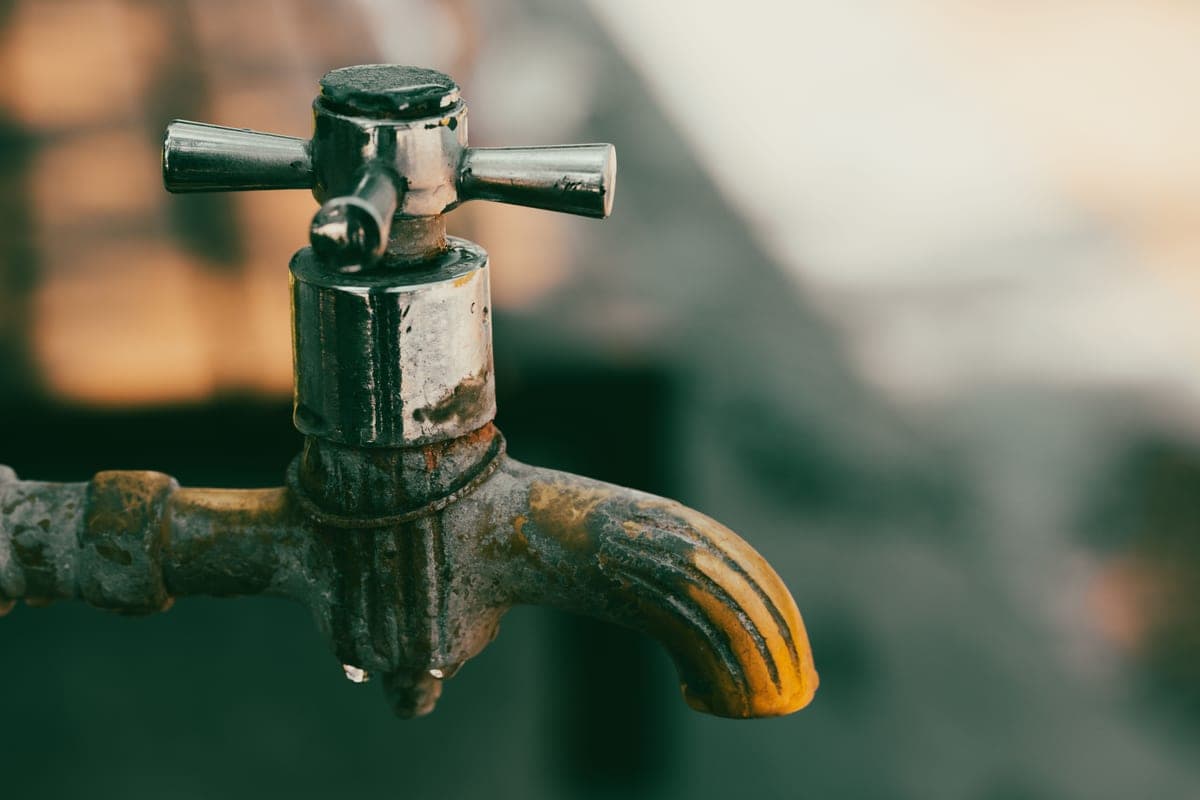
Descaling a tankless water heater takes about 90 minutes, most of it the pump running unattended, and manufacturers recommend it annually for residential use. You need isolation valves fitted on the unit, a pump, two hoses, a bucket and a descaling solution — which is exactly what a flush kit contains.
This is not optional maintenance in the way a tank flush is. Scale in a tankless heat exchanger starts a loop: the deposit insulates, the unit fires hotter to deliver the same water, and that lays down more scale. Left alone it ends in a flow or over-temperature fault, and a heat exchanger failure on a unit that was never flushed is a warranty conversation you are likely to lose.
First: do you have isolation valves?
What you need
- A submersible pump capable of circulating through the unit. The Flow-Aide kit supplies a 750 GPH oil-free pump; the Kelaro kit a 1/8 HP utility pump.
- Two hoses. Rubber works; stainless braided survives being stored for a year much better.
- A bucket, 3.5 gallons or so, which is what both kits supply.
- A descaling solution. Acid, such as Flow-Aide, for speed. Non-acidic, such as Calci-Free, if the unit lives in an unventilated closet.
- Gloves and eye protection, non-negotiable with an acid descaler.
- The installation manual, for your unit's specified circulation time.
The procedure
Power down and isolate the unit
Turn off the gas, or the breaker on an electric unit. Then close both isolation valves so the heater is separated from the house plumbing.
Relieve pressure and connect the hoses
Open the service port caps to relieve pressure, with the bucket ready. Then run the pump's outlet hose to the COLD service port and the HOT service port back into the bucket. Color-coded hoses make this unambiguous, which matters because reversing them is the commonest error.
Fill the bucket and open the service ports
Mix the descaling solution per its label into the bucket — a quart of Flow-Aide into the 3.5-gallon bucket is the kit's intended ratio. Open both service port valves so the circuit is complete.
Circulate for the time the manual specifies
Typically 45 to 60 minutes with a descaler, longer with a non-acidic cleaner. Do not leave an acid solution circulating indefinitely beyond the manufacturer's stated time.
Drain the solution
Stop the pump and let the circuit drain into the bucket. Dispose of acid solution per the product label and your local rules — do not simply tip it on the ground.
Rinse thoroughly with fresh water
Refill the bucket with clean water and circulate for several minutes, or run fresh water through the circuit. This step is not optional with an acid descaler. Repeat until the discharge runs clear and smells of nothing.
Clean the cold inlet screen
Pull the inlet filter screen and rinse it. A blocked screen is the commonest cause of low flow after a flush, and people blame the flush.
Reassemble and restart
Close the service ports, refit the caps, open the isolation valves, purge air at a nearby hot tap until it runs steadily, then restore the gas or the breaker. Check every connection for weeping over the next hour.
Procedure: Flush a tankless water heater
The kit and the solution

Pick 1 — Annual tankless descaling
Whitlam Flow-Aide descaler kit
The complete flush kit: a 3.5-gallon bucket, a 750 GPH pump, two 5-foot hoses and a quart of descaler — everything the annual service needs in one box.
| Bucket | 3.5 gallons |
|---|---|
| Pump | 750 GPH, oil free, 15 ft power cord |
| Hoses | 2 x 5 ft rubber, male and female connections |
| Solution included | 1 quart Flow-Aide descaler |
| Composition | Hydrogen chloride, aqueous |
| Temperature range | 32 - 140°F |
What is good
- One purchase covers the whole job — no sourcing a pump and hoses separately
- 750 GPH is enough circulation to actually move scale rather than soak it
- The hoses extend the drain line about 10 feet, which matters in a tight closet
- Oil-free pump means no oil in the potable side if a seal fails
What is not
- The solution is acidic: it needs gloves, eye protection and ventilation
- The pump is a consumer-grade utility pump, not a service tool
- The 3.5-gallon bucket is the minimum volume for a full circuit
Skip it if: Skip it if your tankless unit has no isolation valves fitted. Without service valves on the hot and cold, there is nothing to connect the hoses to, and retrofitting the valves is the job to do first.
No live price feed on this site, so we show none. #ad
Specifications above from Ferguson listing, Whitlam Flow-Aide kit; Plumbers Stock listing, Flow-Aide flush kit. We have not tested this unit ourselves.
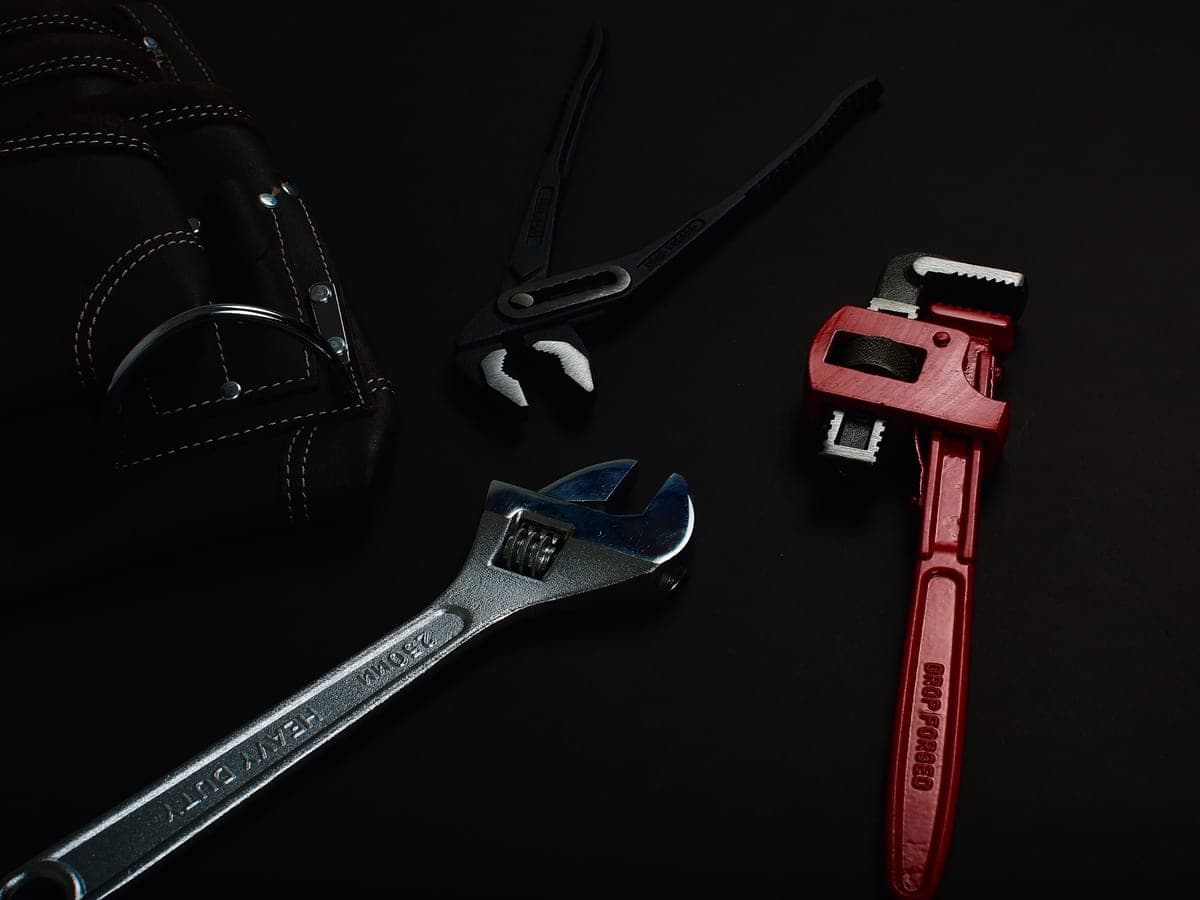
Pick 2 — A kit you will reuse
Kelaro tankless flushing kit
The kit with better hardware: a 1/8 HP pump, 6-foot stainless braided color-coded hoses and a bucket with a lid, supplied with a non-acidic Calci-Free cleaner.
| Pump | 1/8 HP utility pump |
|---|---|
| Hoses | 2 x 6 ft stainless braided, color coded |
| Bucket | 3.5 gallons with EZ-Off lid |
| Solution included | Calci-Free tankless cleaner |
| Solution type | Non-acidic, low odor |
What is good
- Stainless braided hoses survive storage far better than rubber ones
- Color coding removes the commonest flush mistake: hoses on the wrong ports
- The non-acidic cleaner is far more pleasant in an unventilated closet than hydrogen chloride
- Lidded bucket means you can store the kit with the hoses inside
What is not
- Non-acidic cleaners generally need a longer circulation time than an acid descaler
- Costs more than the Flow-Aide kit
- 1/8 HP is modest if you are flushing a large commercial unit
Skip it if: Skip it if you are flushing a badly neglected unit with years of scale. A non-acidic cleaner is the right default for annual maintenance but will struggle where an acid descaler would not.
No live price feed on this site, so we show none. #ad
Specifications above from eBay catalog entry, Kelaro tankless flushing kit. We have not tested this unit ourselves.
Pick 3 — Refilling a kit you already own
Flow-Aide descaler solution
The solution on its own: an acid descaler that dissolves scale, lime and rust deposits, recommended once a year for residential use.
| Type | Acid descaler, aqueous hydrogen chloride |
|---|---|
| Use | Dissolves water scale, lime, rust and other water-formed deposits |
| Recommended frequency | Residential: once a year, or as needed |
| Temperature range | 32 - 140°F |
What is good
- Far cheaper per flush than buying another complete kit
- Restores flow and heat transfer rather than just slowing the scaling
- Works on tank heating elements as well as tankless heat exchangers
- Widely stocked through plumbing suppliers
What is not
- Acidic — gloves, eye protection and ventilation are not optional
- Must not be left circulating indefinitely in a heat exchanger
- Needs a thorough fresh-water rinse afterwards
Skip it if: Skip the acid route and use a non-acidic cleaner if the unit lives in an unventilated interior closet. Acid fumes in a confined space are a real hazard, and the softer cleaners work fine on annual-maintenance scale.
No live price feed on this site, so we show none. #ad
Specifications above from Pace Supply listing, Flow-Aide system descaler; First Supply listing, J.C. Whitlam Flow-Aide. We have not tested this unit ourselves.
Acid or non-acid, decided by where the unit lives
| Situation | Use | Why |
|---|---|---|
| Garage, basement, or anywhere with air movement | Acid descaler such as Flow-Aide | Faster and more effective; aqueous hydrogen chloride, rated 32 to 140°F |
| Interior closet with no ventilation | Non-acidic cleaner | Fumes in a confined space are a safety matter, not a comfort one |
| First flush on a badly neglected unit | Acid descaler | A non-acidic cleaner will struggle with years of accumulated scale |
| Routine annual maintenance | Either | Non-acidic is perfectly adequate for a year's worth of scale |
| You only have white vinegar | It works | Slower and needs several gallons. A flush that happens beats a better flush that does not |
How often
| Hardness | Grains per gallon | Interval |
|---|---|---|
| Soft | 0 to 3 | Every 18 to 24 months |
| Moderately hard | 3 to 7 | Annually |
| Hard | 7 to 10 | Every 9 to 12 months |
| Very hard | 10 to 15 | Every 6 months |
| Extremely hard | 15+ | Every 4 to 6 months, and consider a softener |
Your water utility publishes hardness in its annual water quality report, or a test strip costs almost nothing. Best tankless for hard water.
Signs you have left it too long
- Flow has dropped at the taps. The first and most gradual symptom, and the one nobody notices for a year.
- Temperature swings during a draw, as the unit over-fires to compensate for the insulating layer then modulates back.
- Flow or over-temperature error codes. Look them up in the manual rather than guessing.
- A longer delay before hot water arrives, which can also be a recirculation issue. Recirculation pumps.
What goes in with it
A water heater is a system, not a box. These are the parts that go in with it, and the ones people discover they need halfway through the job.
- Flush kit
The annual descale is not optional on a tankless unit, and you need a pump, hoses and a bucket.
- Descaler solution
What actually dissolves the scale once the kit is hooked up.
- Recirculation pump
Fixes the cold-water delay that makes new tankless owners call a plumber.