What Size Water Heater Do I Need?
Size first, shop second. Get this number wrong and no amount of brand quality fixes the cold shower.
Size a storage tank by first-hour rating, not gallons: a 50-gallon gas tank rated at 91 gallons in the first hour outperforms an 80-gallon electric one. Size tankless by GPM at your actual temperature rise. For most four-person households that means a 40 to 50 gallon gas tank, a 50 to 65 gallon electric tank, or a 50 gallon heat pump unit.
The single most common water heater mistake is buying by tank volume. Volume is how much hot water is sitting there right now. What you actually care about is how much hot water the unit can deliver across the hour when everybody showers — and that depends just as much on how fast it reheats as on how much it stores.
That combined figure has a name. On a storage tank it is the first-hour rating, printed on the yellow EnergyGuide label as "Capacity (first hour rating)". On a tankless unit the equivalent is GPM at a stated temperature rise, and the rise is the part everybody leaves off.
The method, in four steps
- Count the peak hour, not the day. Water heaters are sized for the worst hour, which in most houses is two or three showers plus a sink between 6:30 and 8:00 in the morning.
- Work out the gallons that hour needs. A shower runs about 2.0 to 2.5 GPM at the head, so a 10-minute shower is roughly 20 to 25 gallons of mixed water, of which maybe two-thirds is hot. Three showers, a shave and a dishwasher load lands around 60 to 70 gallons.
- Match that to a first-hour rating, not a tank size. You want a first-hour rating at or above your peak-hour demand. Then check the fuel, because fuel is what decides how much of that rating comes from storage and how much from recovery.
- For tankless, convert to simultaneous GPM instead. Add up the fixtures that might run at once, then check the unit's output at *your* inlet temperature, not at the headline rise. The tankless GPM chart does this conversion.
| Household | Typical peak-hour demand | First-hour rating to look for |
|---|---|---|
| 1 to 2 people | 30 to 40 gallons | 40+ gallons |
| 3 people | 45 to 55 gallons | 55+ gallons |
| 4 people | 55 to 70 gallons | 70+ gallons |
| 5 people | 70 to 85 gallons | 80+ gallons |
| 6 or more | 85 to 100+ gallons | 90+ gallons, or stagger the showers |
Size it by household
Household size
Water heater size for a family of 4
Around 70 gallons in the peak hour. What that means on gas, electric and heat pump.
No live price feed on this site, so we show none. #ad
Household size
Best size water heater for a family of 5
The size where electric and gas genuinely diverge, and where first-hour rating starts to bite.
No live price feed on this site, so we show none. #ad
Household size
Best water heater for a family of 6
Past this point you are choosing between a big tank, fast recovery, or a schedule.
No live price feed on this site, so we show none. #ad
Size it by capacity
Capacity
40 gallon water heater: how many people?
Comfortable for two, workable for three on gas, tight for three on electric.
No live price feed on this site, so we show none. #ad
Capacity
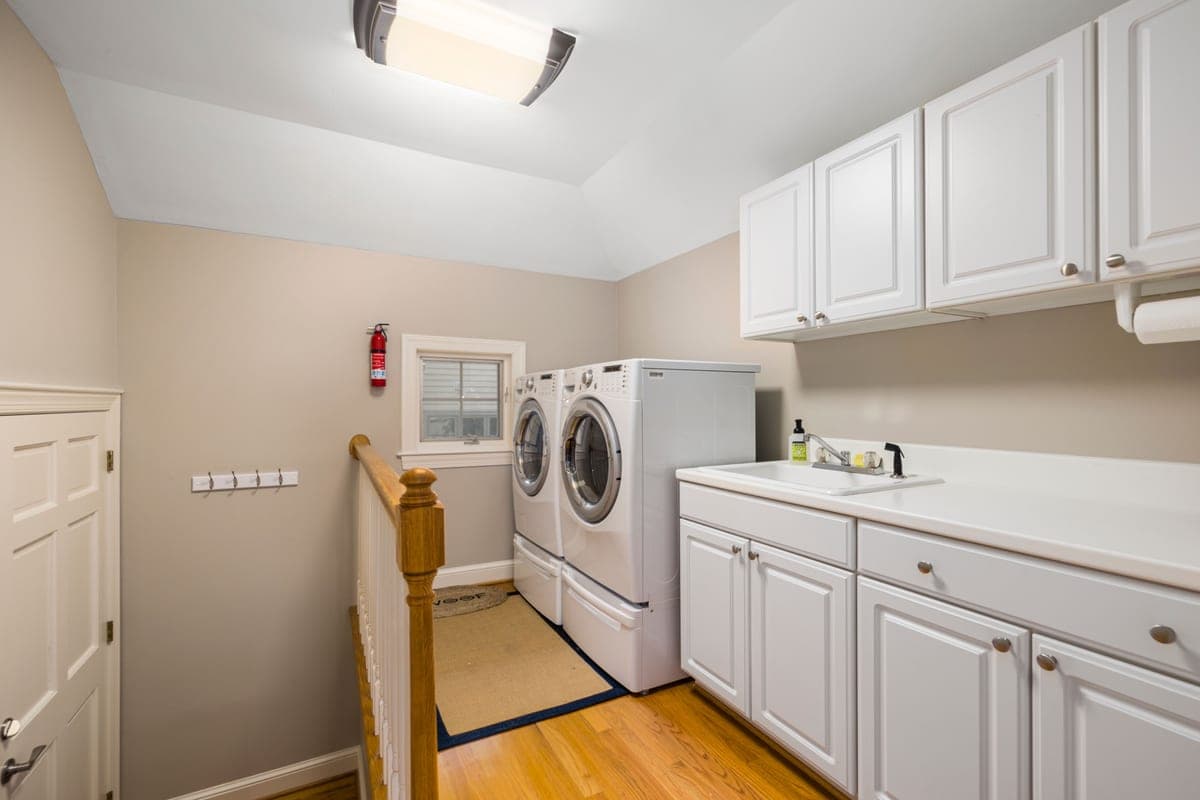
50 gallon water heater: how many people?
The default size in American homes, and the right one more often than not.
No live price feed on this site, so we show none. #ad
Capacity
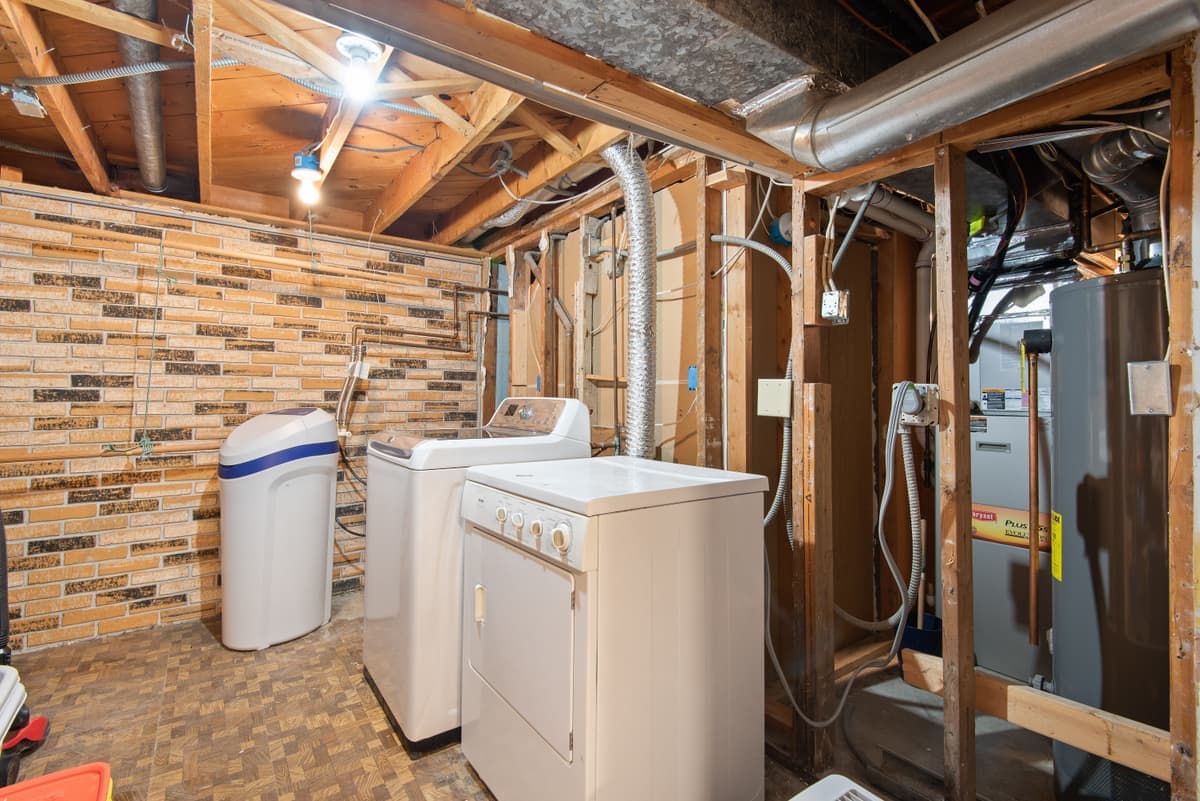
80 gallon water heater: how many people?
Almost always an electric answer to a recovery problem rather than a volume one.
No live price feed on this site, so we show none. #ad
The two numbers that decide it
Explainer
Water heater first-hour rating explained
What the figure on the EnergyGuide label means, and how to compare two tanks with it.
Explainer
Tankless water heater sizing chart
GPM by temperature rise, by climate, with the fixture counts that go with each.
Roundup
Best water heaters for 2026
Once you know the size, this is what to buy at it.
No live price feed on this site, so we show none. #ad
What changes the answer
Four things move a household up or down a bracket, and three of them are invisible on a spec sheet.
- Inlet water temperature. Groundwater comes in around 70°F in south Florida and around 40°F in Minnesota in February. The same tankless unit delivers twice the flow in one place as the other. For tanks it changes recovery; for tankless it changes everything.
- Simultaneous use, not total use. Two people who shower an hour apart need far less capacity than two who shower at the same time. This is the number worth being honest about.
- Tub size. A standard tub holds 40 to 50 gallons. A deep soaking tub can hold 80. A single soaking tub fill can empty a 50-gallon tank on its own, which is why tub-heavy households get sized like larger families.
- Fixture flow rates. A modern 1.75 GPM shower head and an old 2.5 GPM one are a 40% difference in demand. Swapping heads is the cheapest capacity upgrade available and nobody mentions it.
Sizing a tankless unit is a different exercise
Storage sizing asks "how many gallons across the worst hour". Tankless sizing asks "how many gallons per minute at the same instant, at my inlet temperature". There is no reservoir to borrow from, so the instantaneous number is the whole constraint.
Work it as flow plus rise. If your inlet is 50°F and you want 120°F at the tap, that is a 70°F rise. A gas unit rated at 5.5 GPM at a 70°F rise covers two showers; the same unit quoted at 9.5 GPM is being quoted at a 35°F rise, which is a southern-summer figure. Both numbers are true, and only one of them is relevant to you in January. The sizing chart lays it out by climate.
What goes in with it
A water heater is a system, not a box. These are the parts that go in with it, and the ones people discover they need halfway through the job.
- Expansion tank
Required by code on a closed system, which is most homes with a pressure-reducing valve.
- Drain pan
Cheap insurance anywhere the tank sits above something you care about.
- Anode rod
The part that decides when the tank leaks. Replacing it is the highest-value hour of maintenance there is.
Common sizing mistakes
- Copying the old unit's size. The previous owner may have undersized it, or your household may have grown. Size from today's demand.
- Sizing up as insurance. A tank that is too big costs you standby loss every hour for fifteen years, and on electric it also means a bigger footprint than the alcove allows.
- Comparing tank volumes across fuels. Never compare a gas tank to an electric tank by gallons. Compare first-hour ratings.
- Taking an unqualified GPM figure at face value. If a tankless listing says "6 GPM" without a temperature rise, it is not a specification, it is marketing.
- Forgetting the install envelope. Going from 40 to 50 gallons usually means going from 18 to 22 inches of diameter, which changes the drain pan size and sometimes the alcove.