Point-of-Use Water Heaters
Not a replacement for the main heater. A fix for one fixture, one cabin, or one RV.
A point-of-use water heater serves one fixture, not a house. A 4 to 7 gallon mini tank runs on a standard 120 V 15 A outlet at 1,440 W and removes the long wait at a distant sink. For an RV you are choosing between a 6-gallon dual-fuel tank and a tankless propane unit; for a cabin, an outdoor propane unit.
This is the most misunderstood category on the site, in both directions. People try to use a 4-gallon mini tank as a shower heater and are disappointed. People also spend money re-piping a house to fix a 90-second wait at one bathroom sink, when a 50-dollar appliance under that sink would have solved it.
The four things in this category
| Type | Capacity or flow | Power | Serves |
|---|---|---|---|
| Mini tank | 1.5 to 7 gallons stored | 120 V, 15 A, 1,440 W | One sink, dishwashing, a basin |
| Under-sink electric tankless | 1.3 to 3.2 GPM depending on inlet | 240 V, 54 A or more | One fixture, possibly a shower in a warm climate |
| RV water heater | 6 gallons stored, or 1 to 2.6 GPM tankless | Propane, 12 V DC, sometimes 120 V | An RV bathroom and galley |
| Portable propane | 1.32 to 2.64 GPM | Propane cylinder + batteries | A camp shower, an outdoor wash station, a cabin |
Where to start
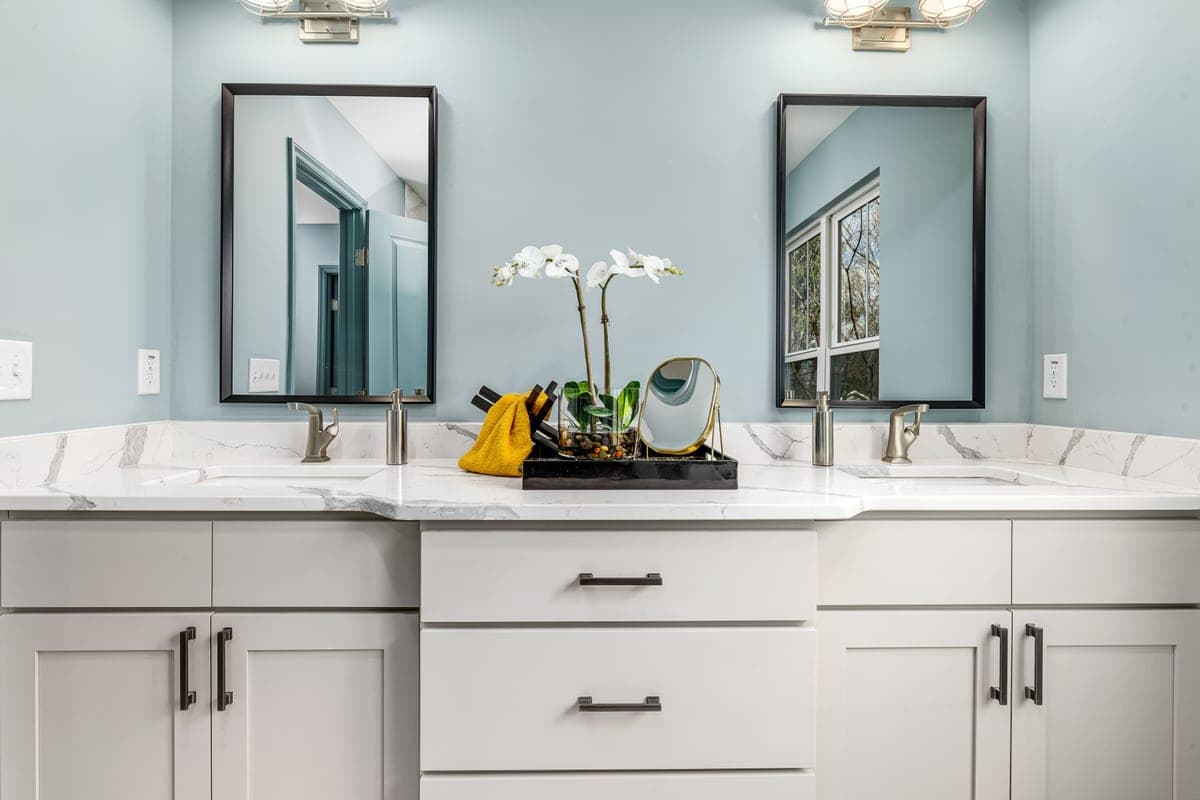
Under sink
Best under-sink water heaters
The fix for a distant bathroom or a kitchen sink that takes a minute to run hot.
No live price feed on this site, so we show none. #ad
Mini tank
Best mini tank water heaters
Four to seven gallons on an ordinary wall outlet, compared properly.
No live price feed on this site, so we show none. #ad
RV
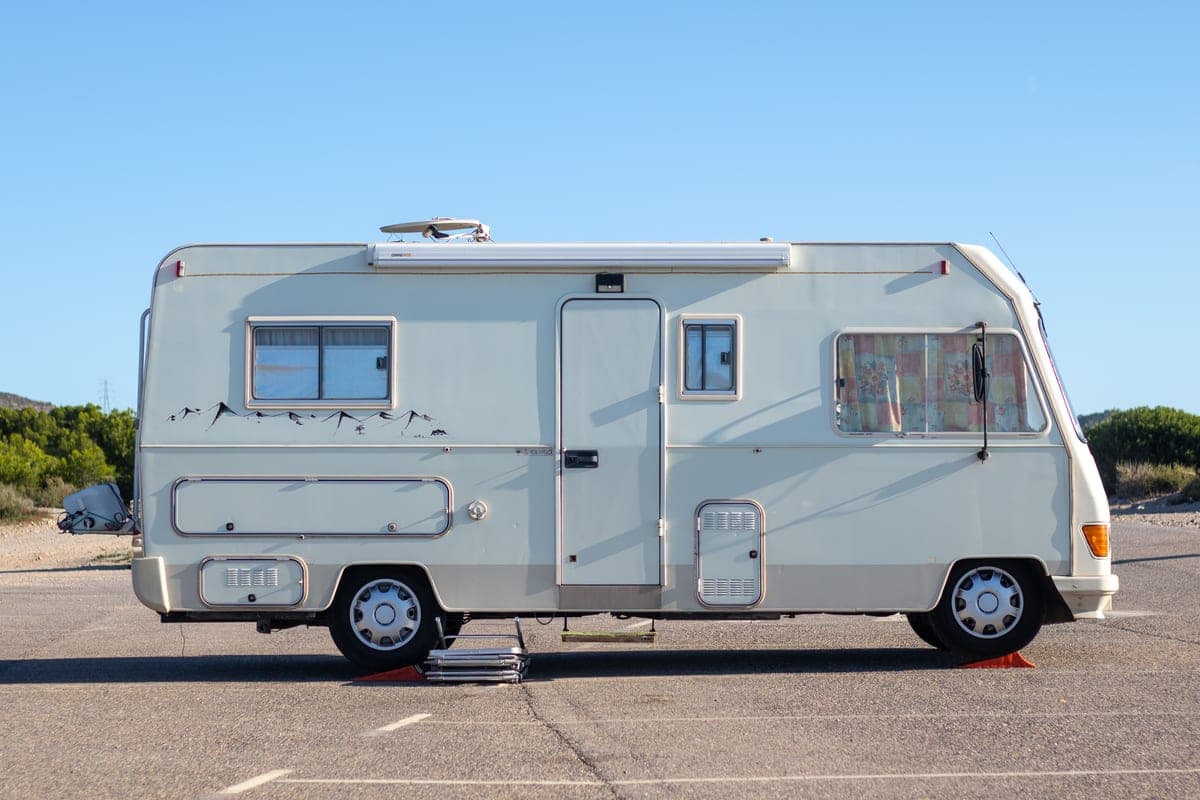
Best RV water heaters
Tank or tankless, and the anode rod question that depends on whose tank you have.
No live price feed on this site, so we show none. #ad

RV tankless
Best RV tankless water heaters
Endless hot water in a 6-gallon bay, with a water pressure requirement to check first.
No live price feed on this site, so we show none. #ad
RV parts
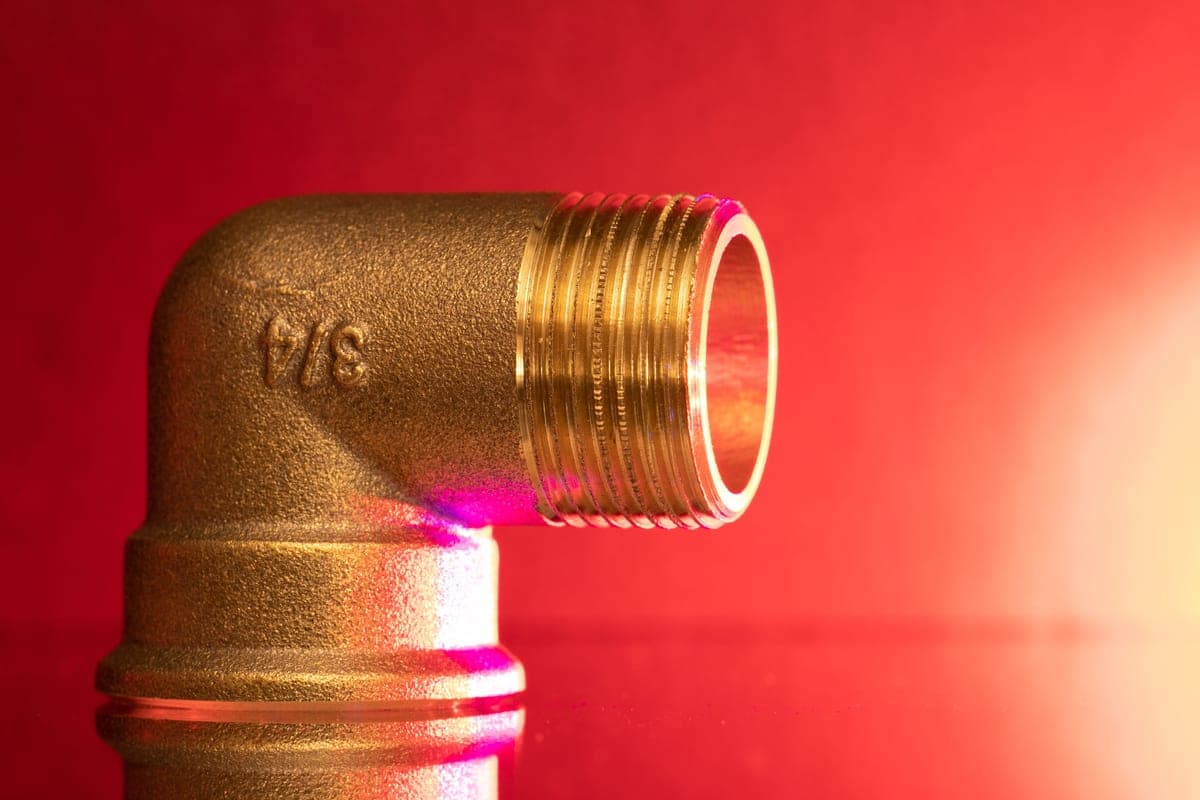
RV water heater anode rods
Suburban tanks need one. Atwood aluminum tanks do not, and fitting one does damage.
No live price feed on this site, so we show none. #ad
The problem a point-of-use unit actually solves
Distance. Hot water travels at the speed of the water in the pipe, so if there are fifty feet of 3/4-inch copper between the heater and the far bathroom, you have to push roughly a gallon and a half of cold water out of the way before hot arrives. That is the ninety-second wait, and it is also about a gallon and a half down the drain every time.
Three ways to fix it, in increasing cost: a mini tank at the fixture; a recirculation pump which fixes every fixture on the loop; or re-piping, which nobody does for this reason alone.
The 120 volt limit, in plain terms
Every plug-in mini tank in this category is 1,440 W, because that is what a 120 V 15 A circuit allows with a margin. The Bosch Tronic 3000 T ES4 and ES8, the Rheem MiniTank and the Eemax EMT series all land on the same number.
So the units differ in stored volume, not in recovery. The ES8 holds 7.1 gallons and the ES4 holds 4, and both refill at the same rate. That is the whole specification difference, and it is why the choice is about how much you draw at once rather than how fast you need it back.
Where RV is different
An RV water heater is a point-of-use unit with three extra constraints a house unit does not have: it must run on propane when there is no shore power, it has to survive being driven down a highway, and it has to be winterized or it splits. That is why the RV category has its own pages rather than being a footnote here. RV water heaters.
What goes in with it
A water heater is a system, not a box. These are the parts that go in with it, and the ones people discover they need halfway through the job.
- Leak detector
A mini tank lives in a cabinet, which is exactly where a slow leak goes unnoticed for months.
- Anode rod
Mini tanks have one too, and in hard water it is what decides how long the unit lasts.