RV Water Heater Anode Rods
One of these tanks needs an anode rod and one is damaged by having one. Identify yours first.
Heat & Tap earns a commission on qualifying purchases made through the Amazon links on this page, at no extra cost to you. Commission does not decide what we recommend or how we rank it. Full disclosure.
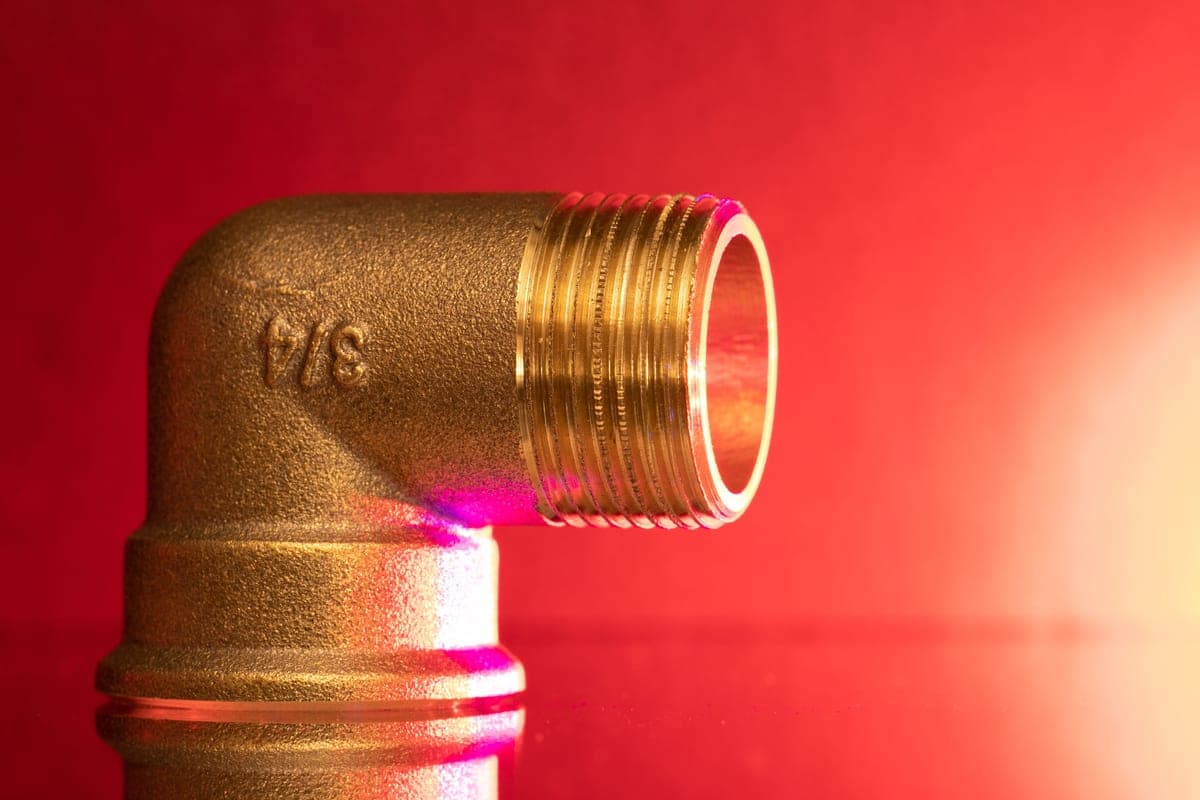
Suburban and Mor-Flo RV water heaters are steel-lined and require an anode rod. Atwood and Dometic units are aluminum and do not use one — fitting an anode to an aluminum tank introduces galvanic activity the tank was not designed for. Check the brand before you buy a rod.
This is the shortest and most important maintenance page in the RV section, because getting it wrong in either direction shortens the life of the tank, and both mistakes are common.
Why the rule is brand-specific
A sacrificial anode works by being more electrochemically active than the tank it protects: it corrodes instead of the steel. That is exactly what a glass-lined steel tank needs, and it is why every residential storage tank has one.
An aluminum tank is a different situation. Aluminum forms its own protective oxide layer and does not rely on a sacrificial anode. Introduce a magnesium rod into it and you set up a galvanic couple the designer did not intend. Atwood's own position has long been that their aluminum tanks do not require an anode, and that is why their drain plug is a plain plug rather than a rod.
| Brand | Tank material | Anode rod? | Drain plug |
|---|---|---|---|
| Suburban | Steel, glass lined | Yes, required | The anode rod IS the drain plug |
| Mor-Flo | Steel lined | Yes | Anode rod |
| Atwood | Aluminum | No — do not fit one | Plain nylon or plastic plug |
| Dometic (ex-Atwood designs) | Aluminum | No | Plain plug |
How to tell which you have
- Read the data plate behind the exterior access door. The brand is printed on it.
- Look at the drain plug. If it is a long rod threaded into the tank, you have a steel tank with an anode. If it is a short plastic or nylon plug, you have aluminum.
- Check the thread size. Suburban anode rods are commonly 3/4 inch NPT; Atwood plugs are typically 1/2 inch. If a rod you bought does not thread in, that is a strong hint you bought the wrong thing.
- If you cannot tell, do not guess. Leaving an aluminum tank alone is harmless. Fitting a rod to one is not.
When to replace a Suburban anode
Inspect annually, usually at the same time as the winterizing drain-down since the rod is the drain plug. Replace it when it is substantially consumed — a good practical rule is when it is down to roughly the thickness of a pencil, or when the steel core wire is visible along much of its length.
The interval varies enormously with water chemistry. Aggressive water can consume a rod in a single season; soft municipal water may leave it serviceable for several. That is the same mechanism that drives residential anode life, where reported replacement intervals in hard water range from 3 to 18 months.
Replacing it, step by step
Turn everything off and let it cool
Switch off propane and any 120 V element, and let the tank cool. Six gallons of 130°F water will scald.
Relieve the pressure
Turn off the water pump, disconnect city water, and open a hot tap inside to drop the pressure. Then open the relief valve lever on the heater so the tank can vent as it drains.
Remove the anode rod
A 1-1/16 inch socket fits most Suburban rods. Expect it to be tight and expect water to follow it out, so have the hose or a bucket ready.
Flush the tank
With the rod out, use a tank rinser wand through the opening to break up and flush out the sediment. This is the part that actually extends the tank's life and almost nobody does it.
Fit the new rod
Wrap the threads with PTFE tape, thread it in by hand, then tighten. Snug plus a little, not heroic — you are sealing a tapered thread, not a head bolt.
Refill and check
Close the relief valve, refill the tank with a hot tap open until water runs steadily, then check the rod seat for weeping before you light the heater.
Procedure: Replace an RV water heater anode rod
Anode rods worth buying
Pick 1 — Routine sacrificial replacement
Rheem R-Tech magnesium anode rod
A plain magnesium sacrificial rod, which is the right default: magnesium protects better than aluminum and leaves no aluminum residue in the water.
| Material | Magnesium |
|---|---|
| Type | Sacrificial anode rod |
| Service life | Magnesium and aluminum rods deplete; replacement intervals of 3 to 18 months are reported in hard water |
What is good
- Magnesium is the more protective of the two common sacrificial metals
- No aluminum residue in the drinking water
- Tends to produce less odor than aluminum in most water
- Cheap, and replacing it is the single highest-value hour of maintenance on a tank
What is not
- It is consumed — in aggressive water it can need replacing inside a year
- In some water chemistry magnesium causes the sulfur smell instead of curing it
- Removing a seized factory rod can take a breaker bar and a lot of nerve
Skip it if: Skip magnesium if your water already smells of rotten eggs. In water with sulphate-reducing bacteria a magnesium rod feeds the reaction; that is the case for a powered anode instead.
No live price feed on this site, so we show none. #ad
Specifications above from Rheem SP11526C R-Tech magnesium anode rod listing; Corro-Protec, magnesium versus aluminum anodes. We have not tested this unit ourselves.
Pick 2 — Hard water and smelly water
Corro-Protec powered anode rod
A powered titanium anode that does not deplete, carries a 20-year limited warranty, and is the usual fix for the rotten-egg smell a magnesium rod causes.
| Type | Powered titanium MMO anode with a low-voltage controller |
|---|---|
| Mechanism | Impressed-current cathodic protection |
| Depletion | Does not deplete, unlike magnesium or aluminum |
| Warranty | 20-year limited, with a 90-day money-back guarantee |
| Certification | Certified lead free by WQA under NSF/ANSI/CAN 372 |
What is good
- It does not sacrifice itself, so it does not need replacing every few years
- Usually eliminates the sulfur smell that a magnesium rod produces in some water
- 20-year warranty against a sacrificial rod's 3 to 18 months in hard water
- Lead-free certified for potable use
What is not
- Needs a power outlet near the heater and a controller mounted somewhere
- Costs several times a sacrificial rod
- No protection at all during a power cut
Skip it if: Skip it if your tank is already more than about eight years old. A powered anode cannot undo corrosion that has already happened, and the money is better spent toward the replacement that is coming anyway.
No live price feed on this site, so we show none. #ad
Specifications above from Corro-Protec product facts; Corro-Protec, magnesium versus aluminum anodes. We have not tested this unit ourselves.
Powered anodes in an RV
A powered anode such as the Corro-Protec does not deplete and carries a 20-year limited warranty, which is attractive in principle. In an RV there are two practical complications: it needs power at the heater, and the rod length has to suit a 6-gallon tank rather than a residential one.
Check the manufacturer's model list for RV-specific sizing before buying, and remember that the rod in a Suburban tank is also the drain plug, which a powered unit changes the routine for. For most RVers, an annual magnesium rod and a proper tank flush is the simpler answer. Residential anode rods.
What goes in with it
A water heater is a system, not a box. These are the parts that go in with it, and the ones people discover they need halfway through the job.
- RV anode rod
Suburban and Mor-Flo tanks need one. Atwood aluminum tanks do not, and fitting one does damage.
- Descaler
RV tanks and tankless units scale faster than house units because of the water you fill from.